
Service Business Growth: Buy It, Don't Grind It (Erika Baez-Grimes)
Executive Summary
Service business growth almost always gets planned the same way: more leads, more people, more hours. Ask the same owner how long the first million took, and the answer is usually five to ten years of hard fighting. The plan for the next million is the plan that took a decade to produce the first one, and almost nobody compares it against anything else.
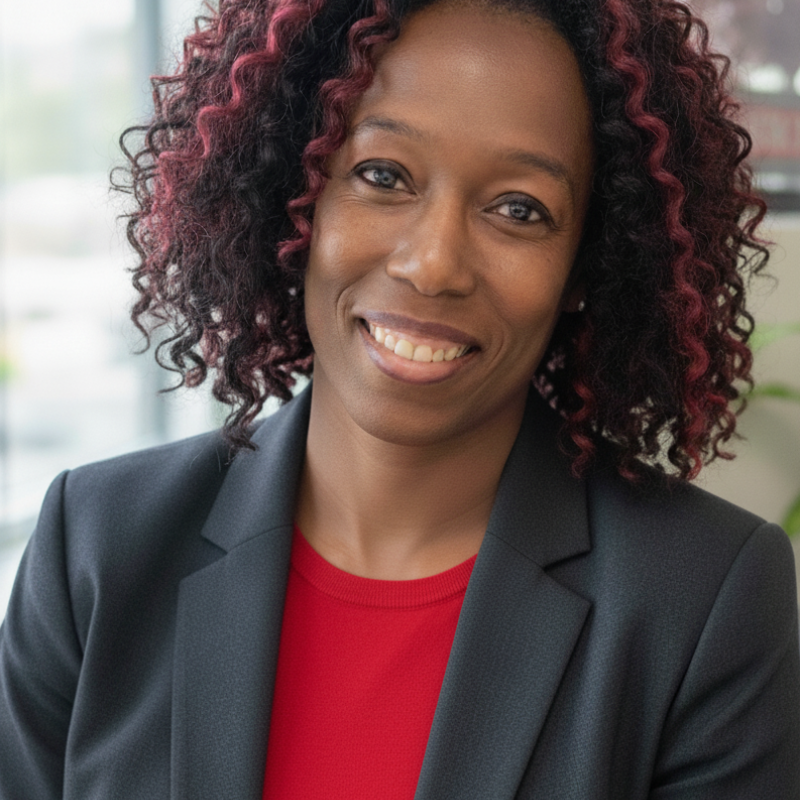
Erika Baez-Grimes is a certified mergers and acquisitions advisor with more than fifteen years leading transactions across the main street and lower middle market. She holds ownership positions in companies she has acquired and teaches entrepreneurship through acquisition, and before the deal work she spent years negotiating for large corporate buyers. She sits on the side of the table where founders find out what their business is actually worth.
In this conversation she walks through what buying looks like for a service business at two or three million. She covers the risks that end deals after both sides shake hands, including client concentration, revenue mix, and the liens nobody disclosed. She also explains why scaling a service business through acquisition tests the buyer's own operation first, and why founder dependency shows up directly in the multiple. Two companies with the same revenue do not sell for the same number when one runs on the owner and the other does not.
This episode is for founders running service-based businesses between $1M and $10M who have hit the ceiling of what effort alone produces. You will leave with a way to price organic growth honestly, a realistic picture of how a first acquisition gets financed, and a short list of the things inside your own business that decide what a buyer will pay for it.
If what Erika shared resonated and you want to understand what buying, building, or eventually exiting could look like for your business, connect with her at erikathebroker.com, or email [email protected]. Her acquisition education work is at etaedu.io
We are also looking for your input on original research we are conducting at GHD Unlimited, called The Growth Ceiling Report. We want to map exactly what runs on your systems, what runs on you personally, and where predictability breaks in businesses like yours. It takes about four minutes, aggregate data only, and you see your own results on the spot. Take the survey at thegrowthceiling.com/report.
Subscribe to The Growth Ceiling wherever you listen. And if this episode helped you see something differently, send it to one founder who needs to hear it.
Nate Grossman: It's okay. on. ⁓
Simone Henry: You have been trying to add a million dollars in revenue the hard way. More leads, more hires, more hours, another year of grinding out the same growth you got
Nate Grossman: hello. Welcome, Erica. So ⁓ yeah, so you are in your rooms, most of our listeners have never been in. what do who have only ever grown organically get wrong about what is actually available?
Erika Baez-Grimes, CM&AP: ⁓ you so much. Well, you know, Nate, that's a great question. And and Simone, thank you so much for having me. I I really appreciate being here. What we see you know, founders who really just keep their head down, trying to grow their business organically, year over year over year, and they don't think about, you know, what what is the other strategy, right? You know, you're thinking about going into new marketplaces, you're thinking about how to grow your revenue, do you get more employees? Do you add more ⁓ services to your existing offering, but you never really think about absorbing a competitor a a like business, right, to grow. And I'll give you an example, you know, the the good old Orkin Orchan brand. I'm sure we all know Orkin and Orkin really started yeah, pest control, right? O Orkin started ⁓ it was a young boy who needed to keep the mice out of his family's barn.
Nate Grossman: ⁓ yeah, pest control. Yeah.
Erika Baez-Grimes, CM&AP: And you know, he went and created this chemical and started going door to door selling the chemical and eventually he figured out he had a route. He he could do a service type business. years later they grew by acquisition. So they didn't grow by just adding more markets. They started absorbing, you know, these small routes and smaller routes and smaller routes in different areas and became an eighteen plus billion dollar company by acquisition.
Nate Grossman: Mm. Oof. ⁓ yeah. think another famous point in that case would be like Amazon, right? Like that was their first twenty-five years was just buying other companies, I think. yeah. Okay, so I guess I wanna start with the assumption that's kind of underneath all of this. Most owners out there are they're treating the growth as something that they they generate, like I as you said, organic, right? Just kind of like slogging it out. every dollar has to be earned from a standing start, essentially. You get one lead and one proposal at a time, and you just kind of like you know, you're turning your gears until you hit that stride, I guess. and that that sort of a that is a definite choice, right? and most people don't realize that they've actually made that as a choice, or for matter, that there is way, right? and so ⁓ Acquisition sometimes think comes across as private equity activity, know. Yeah. Right. Yeah. Yeah. There's there's all kinds of horror stories about, you know, PE buying up companies and, you know, wrecking them. You know, I think that's part of the pro part of the problem.
Erika Baez-Grimes, CM&AP: Good point.
Nate Grossman: Yes, yeah. you know, whatnot, yeah. okay, so but you know, that where ⁓ where does that go wrong and what what does it actu what it actually look like for an owner that that's maybe doing two or three million?
Erika Baez-Grimes, CM&AP: Yeah, so everyone is right, right? We we've hear about the bailouts, we hear about bailouts and such and such how to buy such and such, so they don't go under, you know, that's a a real thing here in America and other countries too. But I'll tell you, you know, the way that most companies grow is by adding maybe a good bolt-on company to their platform. We see this happening a lot with the HVAC business, right? The HVAC guys and gals.
Nate Grossman: Okay, okay. Yeah.
Erika Baez-Grimes, CM&AP: start buying plumbing companies and electrical companies, right? Because they're already, you know, servicing a very similar client. If you're already if you're a homeowner, you likely have AC, but you know, you may need plumbing services and you may have some electrical needs at some point, right? So, you know, why not be able to say, look, I can get one customer and service them in three different ways and just this one specific ways. And like you both mentioned, you know, we are in this like silver tsunami, right? And this like baby boom generation. you know, you're you're actually causing a service, right? You're you're actually allowing a company to stay around if you acquire it. Cause I'll tell you, with 10,000 boomers retiring every single day and forty percent of those boomers owning companies, and fifty percent of those companies, their kids don't want them, right? A lot of kids don't want to be in blue-collar work.
Nate Grossman: Mm-hmm. Yeah. Mm-hmm.
Erika Baez-Grimes, CM&AP: ⁓ you know, and if you're already in blue-collar work or considering that blue-collar, you know, tsunami, you're keeping a business alive in the community by offering that acquisition, right? So, you know, it it the the mindset piece of it, surely it does exist. But if you're thinking about like keeping a boomer business open, because you know, in other words, a lot of these people may close. They say 47 47% of the people that are looking to exit in the next five years have. identified no successor and they wanna sell the next five years. And they don't know
Nate Grossman: Yeah. Yeah. I I've actually heard, believe it or not, ⁓ we're we're a little bit of a tangent here. I've actually been hearing lately that this is sort of a ⁓ growing trend amongst younger generation who are seeing the advent of AI, for example, realizing that their entry-level jobs are pretty much nuked. So actually up these home services businesses so that they can actually, you know, have something. So it's an interesting combination there. okay, so let's let's dive into some numbers here. Can you tell me the cost time, money, and maybe even risk to if ⁓ an owner wants to their next million organically versus actually buying something to add on?
Erika Baez-Grimes, CM&AP: Well, if you think about an owner who's already made the mil their first million, how long did it take them to get there? Right? And if they've survived past ten years, it may have taken them five to ten years to get to the ten. you know, Nate, they always say the first million is the hardest, everything else pretty much comes a little easier, right? So if it is your first million dollars in business, it probably took you a while to get there.
Nate Grossman: Yeah.
Erika Baez-Grimes, CM&AP: you know, for for most people, right? Because you're fighting the good fight every single day until you really figure it out. Now, in comparison, let's say you want to buy a a bolton business that supports your existing business, you can find a great bolton business. You can go on bizby sell.com, flip up.com. You know, there's plenty of websites that have inventory. You can decide, okay, I have a lawn care business, I want to add on, let's say a fence installation business. That might be a million dollar company where the seller's taking home two to three hundred thousand a year. It may cost a hundred, hundred thousand dollars to service the debt every single year, but because the seller's taking home two to three hundred thousand, you're still up in profit, a hundred plus thousand. It could be a hundred and fifty to two hundred thousand. So now you have brought, let's say, a hundred thousand of your own capital, right? Like you your own cash as a down payment. And you're automatically in a new hundred and fifty to two hundred thousand dollar gain in that first year while bolting on a million dollar company to your existing million dollar company. Now you're a two million dollar business. You spend probably $100,000 to be able to get there. And you're gonna make that back likely in the first year after you service a debt. And now you're a two million dollar company.
Nate Grossman: But I would imagine that that th it's gonna take some careful planning here, right? Because it's not it's not like you're don't know, like I mean you're you're bolting on another million dollar company that is its own thing. I would imagine that, you know, there's there's a what do you call it? There's kind of like a a ramp there, right? To to kind of get familiar with how what it's gonna take and that kind of thing. So yeah.
Erika Baez-Grimes, CM&AP: For some, Nate, so let's let's say you know, let's look at this this business right here, right? Let's say you were buying another podcast, for example. How long would it really take you to get familiar with that podcast? You really just need to understand audience, some of the technology. It's not gonna take you long to really integrate yourself into that brand. You may wanna keep that brand by itself. You may not ne necessarily wanna integrate it with this particular brand. And now you just own two brands.
Nate Grossman: Yeah, yeah.
Erika Baez-Grimes, CM&AP: People do this all the time. I remember I was selling a flower shop a few years ago and the buyer had bought a auto repair shop, you know, a year before. she owned a mechanic shop and now she was buying a flower shop. And two totally unrelated businesses. They both cash flow really well. She's leveraging her SBA opportunity. And, you know, one doesn't help the other, but it didn't matter. She wasn't gonna merge the brands, right? She just wanted to make more money and build a portfolio. So you can do it for an existing
Nate Grossman: Mm-hmm. Okay.
Erika Baez-Grimes, CM&AP: platform bolt on or you can say, hey, you know what? I want to be in the ice cream business. The margins are really good. Let me just buy a small ice cream company. You can do that too.
Nate Grossman: Yeah. ⁓ yep, yep. you would definitely need to have good people in place to kind of take the the stress off of you if you're the one b buying it then ⁓ obviously that's ⁓ that'll help that, won't it? Yeah, yeah.
Erika Baez-Grimes, CM&AP: So, Nate, for example, so yes, yeah, for sure. So I teach entrepreneurship through acquisition, right? So anybody who wants to learn how to buy a business, right? What to look for, especially if it's your first acquisition, you may be a business owner, founder led, right? But you want to understand how to do the the platform thing. Great. There's there's a way to do it. But I'll tell you, a lot of businesses, the owner has worked their way out of the business, right? When I I had a commercial painting company for sale not too long ago, he hadn't painted a building in 15 years, right? There's crews and people and all the things out there. He was just used to going to work every single day because he'd been going to work since 1966 for that same building, right? So just by habit, he was going to work. ⁓ and I don't want to say that he wasn't adding value to, you know, the employees for whatever reason. I'm sure if there was a fire he'd he'd know how to, you know, get rid of it.
Nate Grossman: Mm. Yeah. Yeah. Yeah. Mm-hmm.
Erika Baez-Grimes, CM&AP: But he wasn't painting the buildings, right? And you know, you, Simone, me, anybody can really buy a business that's well ran, right? The owner may just be aging out or wanting to retire, but you still have key employees that are out there bidding for work, that are out there painting, that are out there actually doing, providing the service. And all you really need is to maybe hire a GM if you don't want to be the GM of that business to oversee it. So there's definitely a way to do it without you having to be the owner, operator, janitor, customer service person and and all the things.
Nate Grossman: Yeah. So to talk talk to us about you know, when someone says I d but you know, this sounds great and everything, but I don't have the cash. So what how d how how are they really gonna get that deal funded in that case? I because I don't think that most owners understand how this actually goes down.
Erika Baez-Grimes, CM&AP: Yeah, so you know, most people think that if there's a five million dollar business for sale, you need to have five million dollar bit, you know, to buy it. Very similar to your house. If you think about when you bought your house, right? If you have a half a million dollar house, did you pay a half a million dollars up front for it? Likely not. You may have had three percent or five percent or ten percent down for your down payment, and then you, you know, you used a bank loan to kind of leverage the rest, right? It's very similar, especially if you're looking at deals under five million dollars. so
Nate Grossman: Right, right.
Erika Baez-Grimes, CM&AP: Traditionally you wanna have 10% of the money. So if you're looking at million dollar business, you wanna have about a hundred thousand dollars. If you're looking at a half a million dollar business, you wanna have fifty K, right? You know, i I've been in this for a really long time and I'm there's a lot of people and things out there that says you can buy business with no money down and do all these things. I've never seen it happen and I've been transacting for a long time.
Nate Grossman: Mm-hmm.
Erika Baez-Grimes, CM&AP: you know, there may be an owner with an exploding brain tumor that's just willing to, you know, do anything, right? There may be that unicorn, and I'm not saying it's not out there, but have some capital. and if you want, I could I can give you an example. There was a guy who came to me a few years ago. He said, Erica, look, I have $40,000 in my 401k. I I to buy a small business. I have two caveats. The first caveat was the owner had to be making $75,000 a year or more as a salary.
Nate Grossman: Mm-hmm.
Erika Baez-Grimes, CM&AP: And the second caveat that he has what the owner had to be working on the business, not in the business, right? So if it was a landscape company, he or she couldn't be cutting the grass. They had to be doing some business development work or something like that. So long story short, he finds his home organization business. The owner was the scheduler of the business. She wasn't the one going to people's houses, organizing cabinets or anything like that. The business was up 250,000. I think he got it for 199,000.
Nate Grossman: Mm-hmm.
Erika Baez-Grimes, CM&AP: He put the $40,000 in cash and the owner financed the rest. He didn't even have to leverage the SBA. But he did come prepared. He said, here's a copy of my credit report. Here, you know, here's a proof of funds, right? I have $40,000 ⁓ this acquisition. So if you're looking at smaller opportunities where you may have, you know, $25,000 to $50,000, there's still a way to do that. It's just a little bit harder to leverage the bank if you don't have 10% of the acquisition in the bank.
Nate Grossman: Yeah. Nice. Yeah.
Erika Baez-Grimes, CM&AP: That's exactly right. So they made the payments to the owner. obviously both sides had good attorneys, right? So if he didn't make the payment, then she would take the business back and you know she put a lien on his house or some other collateral that he had. So, you know, it's it's not a handshake deal, right? It you know, there's there's some legalities behind it, right? You have to make your payment. Here's your payment schedule, here's your amateurization schedule, here's the interest you're gonna pay. But in essence, you know, the owner is now the bank for you for, you know, three years, five years, or ten years, depending on the length of the loan, you're foregoing going to the bank. You still get underwritten, right? They're still gonna take a look at your credit. They're still gonna take a look at like why should I lend you, you know, why should I take this risk with you? but if at all checks out, great, you know, so seller financing does happen.
Nate Grossman: Yeah. Yeah, I've I've was talking to a client of mine ⁓ this actually recently and he said that he didn't want to do that with his business because he felt that it would put him at risk if the buyer kind of like let it fall, know, like quality dropped off and then all of a sudden he's kind of left with whatever was left of the business.
Erika Baez-Grimes, CM&AP: Great. Yeah.
Nate Grossman: Anyways, w that we could probably do a whole podcast on solar financing, but
Erika Baez-Grimes, CM&AP: Yeah. Yeah. It happens. It's and it's true, right? So some sellers it's especially in contracting, right? Like if a seller knows there's like a big contract that's coming, they're probably go you know, everyone's gonna make money. They they may say, Hey, look, I'll hold the note, but I wanna participate in some of the gains of this contract because I know, you know, you're about to make some money. So yeah, there's there's so many different ways to get it done.
Nate Grossman: Yeah. Mm-hmm. All right.
Erika Baez-Grimes, CM&AP: Say more about that, Simone. What do you mean? Tell me more. That's a good question, Simone. So normally I'm part of like the transaction, right? I don't I don't stick around and you know post-transaction much. I will say that normally, let's say you decide, look, I want to buy a business, figure out how much time you have to invest in that other business, right? Because you know, you as a founder owner, you're gonna this you're gonna take this into consideration from a capital standpoint, from a time standpoint, from a you know, how is this adjacent to your business standpoint? ⁓ so it's it's really a a let me sit and talk to myself to figure out how much time do I even have to invest. And you, if you're really, you know, in the thick of your existing business, you're probably gonna want a business that's already absentee That the Owner's not in the thick of it every single day. You will want to pay it some of it, especially early on. You want to go in and you maybe fix a few things or, you know, do a few things someone. But I'll be honest with you, you would probably look at something that has a semi-absentee component to it. So you're not you don't have two full-time jobs with two different entities. Or you wanna acquire an absentee business if you're not absent in yours. Mm-hmm.
Nate Grossman: So that means you you you you're gonna have to have the you know the client staff and systems already in place ideally in in the in the business that you're acquiring for certain. But but having that already in your current business, obviously, it's gonna it's gonna ⁓ make things a lot easier than two. Yeah. All right. very good, very good. so Let's get into your framework here, Erica, and your approach to things. You say that your mission is to help businesses buy better, build bigger, and exit stronger. Can we take those in order? Because I think a lot owners kind of skipped ⁓ skip to third one and wonder why they're not getting what they hoped for out of their business, you know? So let's let's start with buy better. ⁓ If we can Take a service business, let's at, you know, two or three million, let's say they have a team of twelve ish, somewhere around there. What would they be realistically shopping for? that'd be like size, type, adjacency to what they already do, and how the do they find it? Since, you know, I'm I you you mentioned a couple of listing sites and that kind of thing, but you know, help help f help us figure out where they might be looking.
Erika Baez-Grimes, CM&AP: Yeah, so the buy better piece is, you know, you we provide our team provides education to people who really want to learn how to buy businesses, scale through acquisition, entrepreneurship through acquisition. So ⁓ if you all go to etaedu.io, you can certainly kind of look at what that framework looks like. let's say you are a two million dollar home services business. And you're looking to attach a Botan to your existing company, right? Buying better may look like, you know, adding a service that is adjacent, right? the same exact thing, but adding something that complements the business. buying better may look like adding more people, right? Butts and seats. Some sometimes you know you don't go big on, you know, you don't go bid on the bigger work because there's not enough capacity for you to take that on, right? So Now with bigger crews, you're able to do, you know, bigger, more complex you know, engagements. So that's definitely one, right? You're you're bringing on a crew. Sometimes you're bringing on a crew that have licenses, right? So you're not bringing on a crew that you have to train. These are people that have been in the field for five, 10, 15, 20 years already. So it's not like you hiring, you know, someone right out of of school. You're, you know, you're bringing on experience into the fold as well. ⁓
Nate Grossman: Yeah.
Erika Baez-Grimes, CM&AP: And then you're bringing on systems, right? If you're looking at, you know, a a business and and you see, wow, you know, I I like from from RFP all the way to the end how they really run that process and you don't have some of those processes already in place in your business. Now your business is going to be able to run smoother, better, because you're implementing some of those technologies and processes from a company that you've purchased, right? So ⁓
Nate Grossman: Ooh. Mm-hmm.
Erika Baez-Grimes, CM&AP: The team is really important there, the experience, you're you know, you're buying goodwill experience. You're buying reputation, right? Let's say you have a small HVAC company and you're buying another HVAC company who's been around for 50 years, who's already winning government contracts, and you know, you've been around for maybe five or six, now you're getting all that reputation, all that goodwill is kind of like absorbed under your umbrella. So ⁓ you know, think about the missing gaps in your organization and then that's where you go try to find ones that can fill it.
Nate Grossman: Mm mm. Mm-hmm. It's it's almost like you're you're buying a a leapfrog, right? You're you're leaping over the the stuff that maybe ⁓ would would have taken a lot more time and effort to do and you know, yeah. Okay. excuse me. So what separates a good from a bad one at that size, Erica? Can you can you tell us about some of the things that you look at ⁓
Erika Baez-Grimes, CM&AP: Yeah.
Nate Grossman: That a first time buyer would maybe not even consider.
Erika Baez-Grimes, CM&AP: Yeah, I think one that shows up a lot, Nate, is client concentration. When a business that you're looking to acquire is really reliant, like twenty percent or more of the revenue comes from a client, there's a lot of risk there. especially if you're the one acquiring it. You don't know if that's a relationship based client, right? Hey, I've known you since high school, so you just have my contract. But if the owner leaves, you know, is that twenty percent gonna leave with her or him? So that's the one that shows up most with.
Nate Grossman: ⁓ yeah. Yeah.
Erika Baez-Grimes, CM&AP: you know, first time buyers, ⁓ you know, that are not using any representation is the client concentration piece, or the revenue mix, right? The revenue mix may be, you know, let's say you're all government. Well, you know, sometimes a change in office can mean a change in how the government spends. And if you're looking at, you know, government ⁓ a company is doing government contracting, let's say in this specific sector, there may be a lot of risk there. for you, right? If it's all all government, right? So some people have a good mix of private and and public contracts just, you know, as a as a d diversification method in their business. So those are those are some of the ones that really show up. and and the key man risk, right? When the o when you're buying a business where the owner is so tied to the revenue, they are the star of the show. They are the doctor. We see this in law firms and and medical practices, right? The patients want to go see that dentist.
Nate Grossman: Mm. Yeah.
Erika Baez-Grimes, CM&AP: They don't care about the the name of the business. They care about that dentist. Because that dentist makes them feel good, spends a lot of time with them. There's some risk there, right? Because if you're acquiring a dental practice and and people are not contractually obligated to stay, you know, inside that practice, there may be risk.
Nate Grossman: Yeah. Yep. Yep. Yep. All right. so you you've said that clean, transparent financials are non-negotiable. and so sounds like high accounting hygiene and and maybe maybe that's not correct. What what is what what is the the money reading in those books on on both sides of the table? What what does it tell a lender when it's messy?
Erika Baez-Grimes, CM&AP: Yeah, so you know, I'll give you an example. the set let's say you're you're a business owner and you eventually want to transfer your business. And guys, I'll be I'll be clear. Your business will transfer no matter what, whether it transfers to your kids, whether it transfers to your employees, whether the doors are closed or it transfers to a third party, it will transfer because we all we do not have eternal life here on earth, right? So regardless, right, it it will transfer to somebody or something. So
Nate Grossman: Yeah. Yeah.
Erika Baez-Grimes, CM&AP: If you think about your books, I'm I'm dealing with this, ⁓ with the with the medical doctor right now. He pays his home mortgage out of the business, his cars out of the business, he goes on vacation out of the business, and you know, he goes on vacations to maybe a couple conferences a year and then extends it. So everything as the as the sole member, he runs through the company. The challenges, you know, it ⁓ It doesn't tell a true financial picture to your buyer, right? So even if you want to sell in five years or you're gonna transfer the business to your kids in five years, you wanna make sure you're transferring something that is valuable, that is clear, that it's clean. I'll give you another example. If let's say something happens to you, right? Something happens to you get hit by a bust, and your kids are now tasked to sell the business because they don't want the business, you have left them a mess.
Nate Grossman: Mm. Mm-hmm.
Erika Baez-Grimes, CM&AP: Of financials to decide what's what? What was this payment business? Was this payment not business? Was this the real conference? Is the new buyer gonna go to this conference? Like it is so messy that you you're typically discounting businesses by 30% more when their books are a wreck. Yeah.
Nate Grossman: Mm. Ooh. Wow. Okay. That's pricey. okay, so where does ⁓ integration get decided? So let's say, for example, an owner buys a company and then ⁓ the the two of processes, two client bases, two and bring them all together for one, right? So what what needs to be documented before the close or ⁓ for that to hold?
Erika Baez-Grimes, CM&AP: Yeah, good question. So all the all the processes should, you know, the attorneys, this is where the attorneys really show up well, right? It's like, we want this from you, want this from you in the next six months. having the conversation with your team just around, you know, systems, right? Once, once this thing closes, right? Let's say you're looking at a HR or or a bidding system, right? Have the people that are actually bidding on contracts. Take a look at both systems and see what they like and what they don't like. I think the end user in some of these things is really critical in these conversations. And obviously this all happens after you you bought the business, now you have two sets of everything. I would bring in some of the key people in the organization that that they're actually using the systems every single day to give you some feedback around what they like and don't like. If you're buying a you know, bigger organization, there are companies that come in and Help you with that post integration, right? Like how we have 10 HR people. What are they all gonna do now? You know, and we don't we don't want to get rid of jobs. Okay, great. So you do this, you do so there are you know companies that really help with that post integration, especially on those bigger acquisitions. ⁓ but if you're you're buying a a very small mom and pop shop, you've probably looked at what's good on their end, what's crappy on your end, and and you're making those decisions as you go.
Nate Grossman: Okay. All right. That's good. That's good. so let's see here. Okay, so say the or the the ⁓ the buyer, the owner there, they find a deal, they run the process, and you get it I guess you, you ⁓ you're gonna you get a owner to the table. What has to be true inside their business already for acquisition to produce a a result instead of a mess? In other words, where where does does what you are doing kind of end and already underneath begin in that in that case?
Erika Baez-Grimes, CM&AP: Good question. So, you know, depending on the hat, right? So let's say you're you're wearing like the broker hat, right? And and the broker is representing the business, you know, the seller, right? You all want to sell your business, you've hired a broker. The broker's role is to bring a ready, willing, and able buyer to the table. You, right, owner, founder.
Nate Grossman: Yeah.
Erika Baez-Grimes, CM&AP: We you have a deal team around you. You have your CPA, you likely have a wealth manager, you you probably have an attorney. You have had to have presented the business in the right way it to go to the finish line, right? Because if you tell the broker, look, my top line revenue, and this is this is not for me, because any any company that's getting listed with any associated brand of mine has to go through a certified valuation process. We likely don't take listings unless they've been certified. ⁓ we need to know that you are who you say you are, that the revenue is what it says it is, all the things. But let's say you hire a broker that's not doing any vetting. I'll give you an example. We had this a while about two years ago, there was a daycare that wanted to exit. We brought a buyer to the table, ready, will and neighbor by that's the that's the role of most business brokers is to bring you a buyer, you're a seller, okay? and
Nate Grossman: Mm-hmm. Mm-hmm.
Erika Baez-Grimes, CM&AP: About three weeks before closing, they pulled the lean they did a lien search and they found six hundred plus thousand in IRS liens on that business. Well, as you all can imagine, right, the business can't transfer with the liens, right? And the sales price of the business was slightly under six hundred thousand dollars, so it wouldn't even have paid for all the IRS liens that were, you know, put on that business. So as a broker, we've done our job.
Nate Grossman: Wow, okay. Oof, yeah. ⁓ boy.
Erika Baez-Grimes, CM&AP: Right. We have brought a ready, willing, and able buyer to close on the deal. Now you, as the owner, has mis have misrepresented your company because you said, Hey, I'm ready to sell. Likely on the contract, it says there's nothing here that's, you know, holding us back from getting something done. That owner, you, the owner, may have a legal issue depending on what state you're in, by misrepresenting, you know, the the ability of your business to transfer, right? Because you likely know you owe the IRS some money.
Nate Grossman: Hmm. Okay.
Erika Baez-Grimes, CM&AP: So, you know, you want to be you want to be ready, but you want to have a team, you want to have a broker and say, look, here's what's going on, right? The broker may be able to give you some advice around, hey, look, let's figure out if we can get a payment arrangement on this or how much can you settle before we go to the marketplace. Like, you know, we help you think through things, but if we get hit by a bus with you, it's really almost impossible to to help.
Nate Grossman: Mm. Mm. So
Erika Baez-Grimes, CM&AP: Assets transfer, right? The attorneys, you know, you've had you've already negotiated a purchase and sale agreement. It's just like buying a house, very similar to buying a house, right? if you're buying a business that has inventory, normally the inventory gets counted. So let's say, Simone, you're buying a convenience store, right? You have a gas station or something like that. a few days before closing or the day before closing, a lot of those things, the chips and the chocolates and all that, because the inventory is so separate, right? You're buying the business, you're you're likely buying the lease of the gas. but the inventory is so separate. So likely there's an inventory count there to see how much inventory you're buying that day, right? They'll give you a range. Hey, normally we carry 10 to 15,000 in inventory, but you know, it could be a little more, it could be a little less. There's an inventory count, the paperwork is signed, and you know, you shake hands and move on. Now, traditionally, Simone, if you're if you have a good deal team, you have tethered that that seller to the business for the next six months, right? So ⁓ You know, you're you're gonna go to work probably on Monday, but the seller is gonna be there helping you transition the business, right? Showing you where the contracts are, where the where the people are, what they do. You may go on ride-along with the employees. so now it's like you coming to learn the business, right? Now you're putting in like I'm the coachable hat, and now you're integrating yourself and your teams into the company. So
Nate Grossman: Nice.
Erika Baez-Grimes, CM&AP: Unlike unlike buying a house where you sign the paperwork and they give you keys and everybody goes their separate ways. No, you sign the paperwork, you get keys, but you're all going in the same direction. 'Cause now you gotta go learn this business.
Nate Grossman: Mm mm mm. Yeah, that's handy.
Erika Baez-Grimes, CM&AP: That's right. That's right. Especially if there's a seller note attached to it, Simone. So let's say you are buying a million dollar business and the bank says, Hey, look, we're gonna give you eighty percent of this million dollars, you have ten percent, you're gonna want the seller to hold the note for an additional ten percent, unless you wanna go get another ten percent of your own capital, right? So when the most of the time the sellers are prepared to hold Ten at least 10%, right? They they don't want to hold a whole bunch, but 10% is normal. So it's in their best interest to transition that business in a in a good way, right? Because their other hundred thousand dollars is really held captive for, you know, a few years until you can really do what it needs to do. So they're normally very good about answering the phone and and integrating you into the fabric of the business.
Nate Grossman: D that usually involve payments to the seller then as well? Yeah.
Erika Baez-Grimes, CM&AP: Sometimes so Nate, if let's say you're doing a four to six week integr you own a flower shop, right? You need to know who the vendor like you can probably learn the flower shop business in a little bit little bit of time depending on how big it is. but if you have a government contracting company, if you have let's say and a a b big electrical company, right, that you need to understand licensing and permitting and all that, it it may take a little bit longer. So every business is different. Sometimes the sellers do need to stick around for four weeks, sometimes four months, sometimes four years.
Nate Grossman: But during during that time they're collecting a paycheck then from from the business? Yeah. Yeah. Yeah.
Erika Baez-Grimes, CM&AP: Sometimes, sometimes. If they negotiate it, right? So if you as a business owner say, Look, I'm gonna stick around but I need a I need a check for, you know, yeah, yeah.
Nate Grossman: Yeah, yeah, yeah. ⁓ in other words, I'll I'll s I'll stick around but only if you pay me. Is that yeah.
Erika Baez-Grimes, CM&AP: Right. I'm gonna stick around for four to six weeks for free, but anything after the four to six weeks, then you know, you're give me a consulting fee or something like that.
Nate Grossman: Yeah.
Erika Baez-Grimes, CM&AP: Yes, yes.
Nate Grossman: Mm-hmm. All right, so let's get into the multiplier effect segment here. We're gonna talk a little bit about what changes once owner starts thinking like a buyer, right? Like mindset shift. Because I think that ⁓ shift does to the business well before the deal actually closes. So you say build bigger. when when a when an owner starts evaluating other companies the way a b a buyer does, what do they start seeing in their own business maybe that they were blind to before?
Erika Baez-Grimes, CM&AP: How much the business is tied to the revenue, how much that owner is tied to the revenue, right? When you're looking at, you know, Simone or or even Nate, if you are looking at an acquisition opportunity, you know, every time you see a cool business that you may want to acquire, the the owner is the star of the show, and he or she is so tied to the revenue, you start thinking, man, am I the star of my show? Am I too tied to my own revenue? You know, those are some of the things that you start to look. look at internally, right? when you look at a business that's well ran, right? And you can go to McDonald's, anywhere in the world, those fries go in that fryer for two minutes and twelve seconds. Everywhere, right? Are you that effective that it doesn't matter who's putting the fries in the fryer, it's still two minutes and twelve seconds. Are you that good? Right. And it's then you start thinking, like, how can I bring that two twelve perspective into my own company, right? How can I leave, you know ⁓
Nate Grossman: Mm-hmm. Mm-hmm. Mm.
Erika Baez-Grimes, CM&AP: There's a landscaping company ⁓ right now that's transacting and the owner was just in Italy for almost two months. And if you think then you go back and you think, Wow, can I go to Italy for two months? Can I really step away for two months? Like is this thing really gonna run? So when once you start looking at like well ran companies adjacent to what you're doing in in similar like revenue pockets and you see how good they're running, you start thinking a little bit different as an owner about your own stuff.
Nate Grossman: Yeah. Mm-hmm. decoupling the the revenue function from the owner is is important in that case, I guess. ⁓ okay, you you've also said that the more an owner works their way out of the business, I guess this is cone along the same vein here, the more enterprise value shows up in the multiple. So can we actually talk about what that actually looks like? So let's say
Erika Baez-Grimes, CM&AP: Cute. Cute. Eight.
Nate Grossman: Same revenue, same margins, but one business runs on the owner and one does not. What's the difference there? what a buyer will pay?
Erika Baez-Grimes, CM&AP: If you think yeah, if you think about like a buy let's say I'm a buyer, right, and and you and Simone are are the two companies at question, right? Let's say on your end, I can go in and earn two hundred and fifty thousand because you're you as the owner operator, you're earning two hundred and fifty thousand. Simone absentee owner is earning a hundred and fifty thousand, but is doing no work. Because she's paying someone a hundred thousand dollar salary in that business. Let's say she's she's working four hours a week. I can go and and duplicate this 15 times, right? And be making $150,000 15 times versus a full time $250,000 as an owner operator. Right. So I'm gonna look at, you know, my time now. I'm like, okay, well, here's these two companies. I can just drop someone in for, you know, hundred, hundred and twenty-five thousand.
Nate Grossman: Mm.
Erika Baez-Grimes, CM&AP: Shoot, even 150,000, I'll take the hundred thousand if I'm not doing the majority of the work. And then I can just go do that over and over and over again and be able to make a passive income, you know, four, five, six hundred, eight hundred thousand dollars a year without having to be doing what you're doing, Nate, being in the grunt of of the work, right? So that's that's how people look at so I'm willing to pay a little bit more for Simone's business.
Nate Grossman: Yeah. Yeah. Yeah, yeah.
Erika Baez-Grimes, CM&AP: That can offer me more time flexibility so I can go duplicate those efforts.
Nate Grossman: A little bit more or is it pretty significant?
Erika Baez-Grimes, CM&AP: Yeah, so I'll give you an example. Mm moving in storage. It shows up a lot in moving and storage, right? So a moving company traditionally trades anywhere from two and a half times the the net profits or the sellers, you know, sellers' earnings to and a half times, right? Depending on how big they are and all that. It's two and a half to three and a half times, right? So let's say the SDE or the seller's making, you know, a hundred thousand dollars a year, great. Well, we can probably sell it for three to
Nate Grossman: Wow. Wow.
Erika Baez-Grimes, CM&AP: three to four hundred thousand dollars a year depending on the operation, right? Some businesses are bigger, but I'm using small examples for easy math, right? But but the storage piece of it that has a recurring revenue component to it can trade anywhere from a six to a fourteen time multiple. So if he or she is making a hundred grand a year monthly recurring revenue, we can sell that $100,000 for $600,000. Just that piece, right? Because
Nate Grossman: Mm-hmm, mm-hmm. Mm-hmm.
Erika Baez-Grimes, CM&AP: There's no star of the show. There's no massive butts and seats. There's not all these things. It's just a payment that's being made to keep the store, you know, to keep the storage facility. So, you know, I I remember transacting with the moving company a few years back. you know, like the moving the moving revenue, we had to give ⁓ a multiple. And then the storage revenue, we had to give it a totally different multiple because it trades so much higher. So we wanted to allot for that, right?
Nate Grossman: Hmm. Wow. All right. see here. All So exit stronger. Can let's take the owner who does all of this and never sells. What did they get and in how the business runs day to day?
Erika Baez-Grimes, CM&AP: Yeah, so normally you have you you're providing a space where people wanna work. Let let's you know, you're keeping your employees, right? And you're not dealing with that retention issue and all that, right? Because you have a well run machine, two twelve, people know what they're doing, people like coming to work. So you have almost eliminated that huge turnover piece. ⁓ the other part is you may not sell to a third party, but you may sell to your children. Or you may sell to your employees that you love and care about that help you actually build this thing, right? So that that's a piece. You want to transition it well. something else is capital. You want to raise capital to scale the company, right? And you go to an investor and say, look, I want an equity injection. I've I've built the great machine. I think if you give me, you know, twenty-five to fifty million dollars, I can really do something here. Well, guess what? A capital provider, an investor is gonna wanna make an equity injection into a business that is well ran.
Nate Grossman: Mm.
Erika Baez-Grimes, CM&AP: Right, that is duplicatable, right? The two twelve. That it if you're in Wisconsin, it's two minutes and twelve seconds. If you're in DC's two minutes and twelve seconds, they're gonna wanna invest in that, right? In invest in process and systems. even if you're not planning on transitioning your business, right, you you're likely transition to your kids or an ⁓ an employee or some employees, but you may wanna go out and raise money to scale. And if you wanna do that, you still wanna be a well-oiled machine.
Nate Grossman: Mm-hmm. Yeah. Hmm. Nice. All right. so you also talked about the founder who sells and then has to answer who they are they're no longer the CEO, right? I'm gonna imagine that's a s sort of a psychological shift there, right? then that it's more of personal question, but it lands in the middle a financial one. So ⁓ how how does it change the you're counseling someone through That transition.
Erika Baez-Grimes, CM&AP: Good question, Nate. It's it's really transparency up front, right? If if you're rolling your business over to a big private equity group that has CEOs and board members and you know investors and all the things, just really understanding what that may look like for you. I'll give you example on ⁓ the landscaping business, he is likely gonna stay on as a designer. He doesn't wanna be the the boss, he doesn't want to deal with employees, like He wants to be an employee of the business because he loves design work. He wants nothing else to do. So this won't be a scenario where there's too many chiefs and not enough Indians, right? But if you have that, you know, I want to still be the chief, then pre-signing, we need to figure out what you are going to be the chief of and what are you okay with releasing to another chief, right? Because you don't want this post integration. But you want to make sure that you're having these conversations with people so they really understand, like, hey, there's a whole nother engine coming here. There's gonna be CEOs and managers and boards and reports. So are you ready for that? And if so, where can we pivot? Right? What can you let go right now and and negotiate that in the purchase and sale agreement versus let's do a handshake and figure it out once everything's all done?
Nate Grossman: Yeah. Mm-hmm. Yeah. ⁓ man, that's a big project in itself, I would imagine. ⁓ I you got to convince someone, first of all, that ⁓ they're the one who likes to be in the driver's seat, right? Like sometimes I would imagine. Like ⁓ ⁓ all right. Very good.
Erika Baez-Grimes, CM&AP: Very sticky. Yeah, a hundred percent. Well at that point, Simone, you have to just go sign into your bank account, right? And you you look like you're you're five million dollars richer. I wouldn't have done that, but I'm you I'm only sign into my bank account so I can tell myself why I did it, right? Like that's the justification piece. Go back, look at your bank account, and then you should be okay.
Nate Grossman: Yeah. Yeah. ⁓ C console yourself with your cash.
Erika Baez-Grimes, CM&AP: Right? Just sign it? Yeah, just take a look. Okay, fine. Yeah, we're good. We're good. It's okay. Yeah.
Nate Grossman: Nice. All right. All right. Let's do let's do the rapid clarity round. So we're just gonna ask some rapid fire questions, just say like the first thing that comes to your mind, you know, little given little tidbits for the listeners out there. so first one, one question every founder should ⁓ ask before even consider buying something.
Erika Baez-Grimes, CM&AP: Yeah, for sure. Do I want to deal with more people?
Nate Grossman: Sure. Very good. All right. th that is that is a pretty big question, right? That's a that's a loaded question. ⁓ Okay. If a founder has never thought of themselves as a buyer, what is the single first step they should take this month?
Erika Baez-Grimes, CM&AP: Yeah. That's a lot. That's a big one, yeah. Well, shameless plug, reach out to me and I can get you plugged in by your school, right? but really and truly, start who bought a company and like the success of people who bought companies, right? Like, you know, just you can go on chatter chat GBT and just ask, hey, name like five successful acquisitions in in my region, right? So start getting familiar with those stories and see if you want to be a part of one.
Nate Grossman: Ha ha ha. Mm-hmm. That's good. how about the most common reason a Main Street deal falls apart after both sides shake hands?
Erika Baez-Grimes, CM&AP: Money. Money. The seller misrepresented the money and the buyer couldn't get financing for that misrepresentation.
Nate Grossman: Yeah. Okay. right, finish this sentence. ⁓ business is not ready to acquire anything until dot dot dot.
Erika Baez-Grimes, CM&AP: Your business is not ready to acquire anything until you know your numbers.
Nate Grossman: Yeah. Yeah. And and you're I guess truthfully representing them. Yeah. Very All right. so I we're gonna start wrapping up here. Here here's what I take from it. most owners this stage trying to earn ⁓ every dollar of from a standing start, unfortunately, trying to do it the hard way, right? But meanwhile, there's a whole market of profitable businesses out there changing hands that they never maybe consider t looking at. and but the catch that buying only works if you already can can absorb it, right? If what you already have can actually absorb it. So you have clean numbers, you have document systems, a business that does not route every decision through you, those are ⁓ to have in place already, I think, from what what we've Yeah. Yeah.
Erika Baez-Grimes, CM&AP: So those are nice to have Nate for sure. But if if you are exploring entrepreneurship, right, you're you're in the corporate world and you want to buy business, you could certainly buy business. You don't have to be a business owner to buy business, right? Because if you may be leading teens at Microsoft and you wanna just lead your own local team, you certainly can do that.
Nate Grossman: Okay. Mm-hmm. Yeah. Yeah, I guess if you're it that it's a different different tact if you're starting fresh. If you've never owned anything. Yeah. ⁓ okay. But for those of who are business owners and maybe want to tax something on, the the work that you're putting in to get your business ready for such an acquisition is is the business is the same work that that the business makes the business worth something the day you decide to sell it. So
Erika Baez-Grimes, CM&AP: Yes. Yes. Yes. A hundred percent.
Nate Grossman: all right. So if what Erica has shared today resonated, and want to understand what's what buying, building, or eventually exiting could actually look like for your business, connect with her at ericathebroker.com. email erica at ericathebroker.com. And we're also for input on new original research that we're conducting at GHD Unlimited. Which we're calling the growth ceiling report. We want to map out exactly what runs on your systems, what runs on you personally, and where predictability breaks in businesses like yours. It takes about four minutes. We use aggregate data only, you'll see your own results on the spot. specifically how many of the eight revenue stages are currently running without you. You can take the survey at thegrowthsealing.com backslash report. And Last but not least, subscribe. Exactly. Thanks a lot, Erica.
Erika Baez-Grimes, CM&AP: Thank you so much.


 Apple Podcasts
 Castbox
 Castro
 Goodpods
 Moon FM
 Overcast
 Pocket Casts
 Podbean
 Podcast Addict
 Podcast Republic
 Spotify