The Founder Bottleneck Is Not a Hiring Problem (Gabe Arnold)
Executive Summary
The founder bottleneck rarely looks like a bottleneck from the inside. It looks like a hiring problem. Payroll is up, two new people came on this year, and the calendar is worse than it was in January.
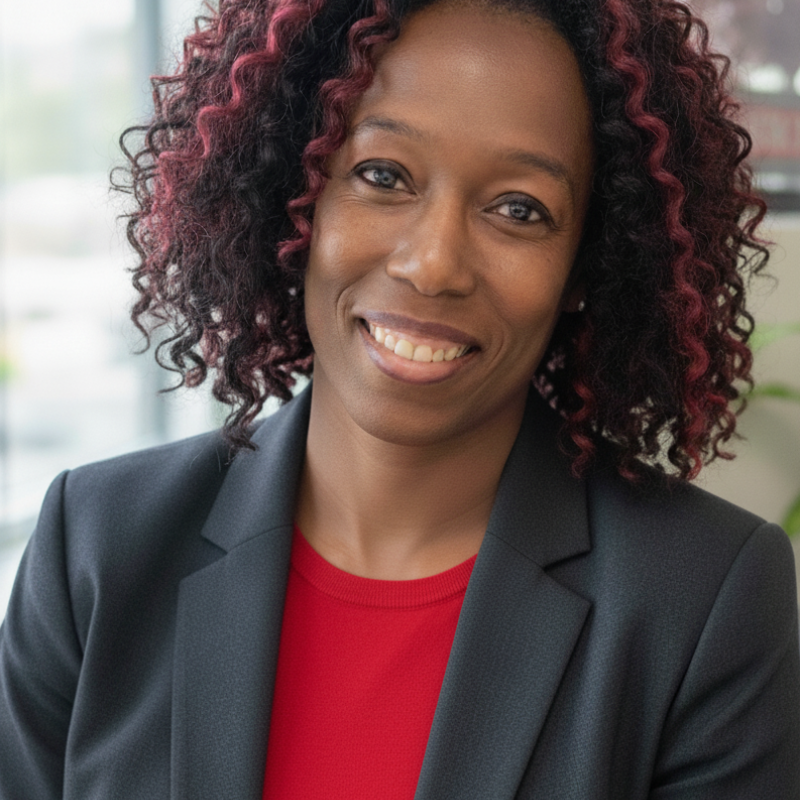
Gabe Arnold is the CEO of Simple Operations. He built a seven-figure home services company in his early twenties and lost it in the 2007 to 2008 housing crash. He has coached over a thousand business owners since, and he installed the Simple Operations system in his own agency before buying the company outright. That installation doubled revenue and tripled profit in 18 months. He runs that agency today in 10 to 12 hours a week.
Nate and Simone walk him through the structure underneath founder dependency: the four R job description, the time and energy analysis that shows where the team's hours actually go, the five core functions every business runs, and the project document that gives one outcome one accountable owner. He also explains why EOS and Scaling Up do not fit expert-led businesses, and what business systemization looks like at minimum effective dose.
This episode is for founders of service-based businesses between $1M and $10M who believe the next hire will give them their calendar back. You leave with two warning signs to check this week and one question to put to your leadership team.
If what Gabe shared resonated and you want out of the driver's seat in your own company, head to simpleoperations.com or find his book at passengerseatleadership.com. His team installs the operating system that gives founders their week back, starting with role clarity and owned outcomes.
If this conversation made you realize you are not sure where your biggest growth constraint actually is, subscribe to The Growth Ceiling newsletter at thegrowthceiling.com. Each week, one real growth constraint and how to spot it in your own business.
Subscribe to The Growth Ceiling wherever you listen. And if this episode helped you see something differently, send it to one founder who needs to hear it.
Simone Henry: Right, you hired two more people this year. Payroll went up, and somehow your calendar got worse. Every decision still routes through you, every project stalls until you weigh in, and the business you built to buy your freedom now needs you in the driver's seat every single day. Today's guest spent 25 years learning why that happens. Lost a seven-figure company finding out. And now runs the system that fixes it. This is the growth ceiling.
Nate Grossman: All right, yeah. So welcome Gabe. Gabe started building websites, believe it not, and a seven figure remodeling company in his teens. So he's been in that home services seat there. and watched the two thousand seven, two thousand eight housing crash take it all down. So I'm sure that was fun. and then he went about rebuilding In the technology space and marketing. And since then has coached over a thousand business owners. When he installed the Simple Operations system in his own agency, his revenue doubled and profit tripled in 18 months. He later bought the company Simple Operations from its founders, Alex and Katie Sharfin, and runs it today from near Cleveland, Ohio. So Gabe sees that part of the business that most founders refuse to look at, which is the operational structure underneath the revenue. it's kind of like the you know where the sausage gets made, as they say. founders tend to over obsess with leads and sales, while the real constraint oftentimes sits underneath how the work actually gets done. So Gabe, welcome.
Gabe Arnold: Thanks so much for having me.
Nate Grossman: Yeah. so you you've coached over a thousand business owners, all right. what's the pattern that you keep seeing in businesses that stall somewhere between one and ten million?
Gabe Arnold: Yeah, it's it's definitely the case where like you know what gets us to that to the seven figure mark is helpful and necessary and very effective. But as we grow and scale a business, our role changes year over year and definitely stage over stage. And so it requires that we, you know, acquire new skills and you know, building revenue, getting to seven figures, you know, can a lot of that can be driven by the founder. But when you when you cross seven figures and then you want to start aiming at three or five or ten million, it's that's the time that you really have to build systems and decode what what you've done well. And you have to bring in other expertise in re in order to really scale and doing more of what got you to seven figures will generally take you backwards in revenue and it will definitely eat up your time and energy. and that's the point where a lot of founders, you know, and myself included when I was in that season. Or wondering like, man, what did I create for myself? This is more of a prison than, you know, the freedom of being a business owner.
Nate Grossman: Yeah, what a what a harsh reality to face, huh?
Gabe Arnold: Yeah, absolutely.
Nate Grossman: we were talking about this earlier. I think that what the stuff that Gabe works on is really right within that viability layer, which is concerned with the internal systems that either support growth or they break under under it, right? and many founders at this stage think that they they tend to think that they have a people problem. you know, it's because I can't get enough help, right? I can't find the right help. I hear that a lot, especially with home services businesses. but Gabe, I I think that you probably would say something different. I think you call it the driver trap, right? So can you walk us through that? Why why does hiring more people without an operational framework make the the founder's life worse?
Gabe Arnold: Yeah, so early on, you know, before you break seven figures or even even early, you know, couple you know, a couple million in, what happens when you're building a team typically is the people you're hiring are working very closely with you. And so oftentimes you might have basic systems, but probably more often than not, do your team members around you kind of by observation and metamorphosis figure out how things work and how you think and how you operate. but you're often still managing you know, key players directly. And so that will get you, you know, that will grow you to a certain point. But ultimately, what worked early on of hiring more people and they kind of shadowed you, learned what you did, figured out their role you know, organically, that won't work when you're throwing more people into the mix because if you don't have clarity and roles and you don't have processes in place, then you're ending up actually dramatically slowing your growth because You're adding people in the situation and they don't they don't know what it means for the business to win. And if they don't know what it means for the business to win, then it's very unlikely that they know what it means to win in their role clearly. And then you have well intentioned people pulling in different directions. You know, if if all three of us jump in a rowboat and each have a set of oars and we're all trying to go to a different destination, we can be well intentioned and work super hard and we'll spin around and we'll get nowhere. And in worst case scenarios we might crash the boat and sink. So
Nate Grossman: Yeah. Yeah. Yeah. okay, so that makes sense. the the housing crash took down a seven figure business that you built in home services. So looking back on that, what did that company actually die of, would you say?
Gabe Arnold: So the the big issue is that I, you know, I was very young, I was early twenties, and I, you know, believe the myth that if I just had more leads and more sales, then everything else would be fine. But the reality was is that I didn't have clear metrics inside of the jobs I was running. I didn't have clear roles. And so everything, you know, as what can often happen in that kind of growth stage, we were over seven figures, but I was the decision maker across dozens of different projects. so when there was a decision to be made, like team members were waiting. And so there were burning payroll, we're burning profitability. And then, you know, on top of that, without having clear financial systems from how we price things to how we manage, you know, finances at a project level, we didn't have clear metrics in a way to track that. So it was all assumptions and hopes, and ultimately we weren't running profitably at all. So I didn't have the financial management system inside of delivery. to make sure that we were, you know, delivering on time and, you know, profitably. And my go-to was, I'll hire another person or I'll bring in another subcontractor. and you know, I didn't I didn't have the proper financial controls to actually survive. You know, we had some clients that had credit lines dry up and we had some challenges and there was cash flow issues, but those just really brought forward the real issue that we didn't have, you know, I wasn't financially intelligent as a business owner. And we didn't have financial systems and controls in place and so I couldn't weather the storm.
Nate Grossman: Gotcha. okay, so if you can give us a an example and you can you can anonymize it, that's okay. Someone, a founder, who came to you convinced that they needed to hire, but actually the problem was somewhere something else.
Gabe Arnold: Yeah, I we had a member join about a year ago in Simple Operations, in the trades and they s you know, I had worked with them and done some, you know, some coaching in past years. and they said, Hey, you know, I I really think I need to hire, you know, a new COO or general manager because I don't I don't think that, you know, I d I don't know where things are going and we have these big growth goals and so I need to hire in at least this, you know, th one more C level person. and probably, you know, a couple people under them to build a team. And when we sat down and talked through it, it wasn't that they didn't have like adequate headcount. The reality was is that the company is there was a majority owner and two two minority owner owners that run the company. And they were trying to spread themselves really, you know, thin between tactical day to day decisions, operational things, and strategically figure out how they were gonna grow to the next level because they were sitting at about four million and you know their goal is to you know go to six million over in about eighteen months and the market was there for it but they didn't really they were they'd like I don't we don't know how to deliver this operationally and so when we sat down and talked it through I showed them you know what we show all our members that when you start with like role clarity, like what is each role responsible for results wise and what do they own? then you oftentimes have plenty of manpower and sometimes you have too much. I've had I've had members come in and realize, we just have people that there's not actually a role for them. and so walking them through this, we figured out that one of their lower level managers was actually really well qualified to step up and become a crew leader, you know, in the field. And that took a bunch of, you know, tactical work off of one of the owners who was able to actually fulfill the like general manager role. and was way more qualified because they'd been in the business for, you know, years at this point. And so we were able to come in and one of the first steps we did is go through what we call our four R documents, which are simple, clear, practical job descriptions that say this is your role, you know, responsibility, results you need to get, and these are the requirements to be in the role. and just by taking that step, which is just one of the many components of what we do in simple operations, they were able to determine, this this person can own this and they actually have available, you know, time that will, you know, take some of the tactical work away from one of the owners. and ultimately they had everybody they needed. And so by moving through that project, getting Claire earned the roles and doing that, they've been able to grow. They're about they're about halfway to their goal at this point 'cause they've been in the program about nine months. and ultimately like as I have done in the past and I've seen members do and it's a normal reaction thing. If they would have just brought in a few more people, they would have created more chaos and more payroll overhead and they they didn't actually need that.
Nate Grossman: Nice. Keep keeping it simple. I love that. And the
Simone Henry: Yeah.
Gabe Arnold: Yeah.
Nate Grossman: four R's, that's easy to remember. Can you can you repeat those real quick?
Gabe Arnold: Yeah, so we help our members just build clear job descriptions that are called four R documents. And so what's what's my role? It's just a clear, simple description of that. You know, what am I responsible for? Here's all the things I'm responsible for inside my role inside the company. Here's the results I need to get, which oftentimes when we see members have some kind of job description, they forget like, this person needs to produce this result inside the company. and so that's the third R and then the fourth R is these are the requirements. Like if you're some specialist in the field, you n you're gonna have to have this experience or, you know, if you need to handle something in the office or whatever it might be, you know, you you do need some there's some requirements to it. but yeah, that's
Nate Grossman: Nice.
Gabe Arnold: that's the four R job description structure that we use.
Nate Grossman: I love that. I I have been in jobs before where, you know, I'm like, what what is what is the point? What am I doing here? You know? that's that's not a fun feeling. So wow,
Gabe Arnold: Yeah. Yeah.
Nate Grossman: just to have all that laid out and have it be clear, man, that's that'd be great.
Simone Henry: Yeah, it must be great for the for the team member as well. They know exactly where they fit and what they're supposed to be doing. yeah.
Gabe Arnold: Yeah, and it's it's really helpful because when we we do, you know, a four hour job description for everybody, the founders, owners, you know, all across the team, and then we put it in a clear, simple, practical and routinely updated org chart. So then if we were all on a team together, I would know what you handle, Simone, I know what you handle, Nate, you know what I do. And then when something comes up, you know, if we're not sure I can go, well, I think that's in, you know, Nate's, you know, four hour job description, so I can at least go to him to start. And so it gives that level of transparency across the whole company. Instead of us, I I think I know what Simone does, but I'm not really sure, you know, or or whatever it might be. it that's
Nate Grossman: Right. Yeah. Ha ha
Gabe Arnold: that level of transparency, which is what all of our simple tools and processes do, is is really powerful.
Nate Grossman: Yeah, it it reduces the number of times the manager gets asked, Who do I who do I ask about this? Who do I need to talk to about how to do this?
Simone Henry: Right, exactly. Everybody knows who
Gabe Arnold: Exactly.
Simone Henry: to go to when they have a have a problem.
Gabe Arnold: Yep.
Simone Henry: They know what ever responsibilities are. Yeah, that's good ownership.
Nate Grossman: And that's like ownership too, yeah. It's you c y you you you don't have to you know, someone can figure it out on their own. Like, that's great. okay, let's see.
Simone Henry: So, when a founder is is a bottleneck, we know it shows up in their operations long before anybody names it. What are those early warning signs in the day to day? Things that a founder would see, you know, th this week if they were to look.
Gabe Arnold: Yeah, there's there's a couple main themes that I see pretty frequently. one is if if you're constantly getting, you know, questions throughout the day interrupted like, Hey, do you have a quick second or I have a question about this or can we jump on a call or people are coming in and out of your office or whatever whatever your s you know structure is, if if you're constantly getting asked random questions throughout the day, then it means that you still hold the decision making power, the answers, the processes in your head. and you're you're the go to and it likely means you don't have a actual updated and functional org chart. the other thing that's really common is if you look back, you know, depending on, you know, when when you end up listening to this, if it's if it's end of the year, you know, or midway through the year and you look back and say, like what were what were some of the big initiatives that we wanted to do? You know, we're talking about beginning of the year, whenever you're doing any kind of looking forward, if you don't have a clear, you know, picture of How things are progressing, who owns what projects, and you notice that any initiatives or projects that you started have kind of fizzled out in the middle or are dragging on forever and ever, then those are signs that you are likely not, you know, providing the clarity that you need to, and that there's not clear ownership of different initiatives and who owns the steps inside of them. So those are two clear things. You're getting interrupted a lot, and so whether your calendar is full and busy or it's not, but you're getting interrupted and asked things throughout the day, and you're the go to for decisions and like if you have bigger initiatives or projects that get started and stall out or just drag out, that's typically where you can see that you unintentionally in most cases, you know, are holding a bunch of decision making, a bunch of information and things that really need to be distributed and owned by other people on your team.
Nate Grossman: Nice.
Simone Henry: really a smart way to look at it. You know, 'cause we've we've on this podcast we've talked to several people, you know, and and they all talk about the the getting interrupted, having to answer all the all the questions. But nobody really talks about Well, you had a plan. Say you had a plan at the beginning of the year. It is now September. Where is that plan right now? If it if it's depending
Gabe Arnold: Exactly.
Simone Henry: on you, it you know, parts of the project just don't have any ownership, everything's stalled out. Yeah, something is definitely wrong.
Gabe Arnold: Mm-hmm.
Simone Henry: yeah, we haven't really talked about that part.
Nate Grossman: Okay.
Gabe Arnold: Yeah, and it becomes normalized and it is normal like in the very early stage of your business and it's it's perfectly acceptable in my opinion. Like when you're in your below seven figures and you are in the mix of it and that's how you grow a business. But as as leaders, as founders, you know, we have to evolve and change how we lead and how we operate and our role consistently changes over year over year if we're growing. And but it's easy to get caught in, you know, still thinking you are the center and the most important day to day in operations versus, you know, in reality, you your organization has likely outgrown that.
Nate Grossman: Hmm. Hard to hard to see the forest for the trees sometimes, I think probably.
Simone Henry: Mm.
Nate Grossman: all right. So let's get into some of the mechanics here. You did not just diagnose this in your own agency. You fixed it, right? and so and then you brought that system, you then you bought the system that that fixed it. So walk us through how simple operations actually works. We can we can start at the top. So you know, a founder comes to you, they're drowning in decisions, every project needs them, like we were just talking about. They're meetings, you're eating up their week, people are constantly asking them, you know, can I get a minute of your time? How how do I do this? Blah, blah, blah. Where do simple operations begin? What's the first step?
Gabe Arnold: Yeah, so we have five like foundational principles across, you know, everything that we teach and help members with. And and we we you know, one, we start where the founder and the business needs it. So it's it's a dynamic system. So we can say, this is probably the biggest pain point, and so we'll focus on that. but typically it really does come down to like clarity and roles and responsibilities. Cause if you don't have that clear then There's a lot of wasted communication going on. There's a lot of activity and things happening that aren't necessary. And so that's where we use our 4R documents to get clear on everybody's role. and it also really helps the founder see like what what role they should be in in this season that's most impactful to the business versus just leaving them, you know, in the tactical space. we also at that point early on do a time and energy analysis across the whole team. And so we ask everybody on the team to track what they're doing day to day in you know fifteen to thirty minute chunks of what's going on and just keep track of what they're working on and is it is it tactical work, is it strategic? so that we can get a sense of kind of where time's being spent. 'Cause oftentimes as founders we have a you know great idea that we think we want to execute on, we talk about it and hand it off at some level, you know, maybe not. not clearly effectively, but we do hand it off or engage other team members in it. And they may still be actively working on something that we've forgotten about or is is no longer, you know, important to the business. And so with role clarity and then doing an audit of what where everybody's actually investing their time, that gets really clear of kind of like where things sit today. And so we always just want to bring forward simple, accurate data and that allows us to assess, you know, where things are at. So that's that's one of the first kind of early steps that we take.
Nate Grossman: Nice. So g getting a baseline sounds like, basically. Where are we at right now? Get a snapshot. What's everybody doing? What's everybody working on? Nice. Makes sense.
Gabe Arnold: Yeah, exactly.
Simone Henry: Hm, that's great 'cause I can't imagine
Nate Grossman: yeah.
Simone Henry: like being a being an employee and you're working on something and you know, and you've been I don't know, working very hard on it and then to realize, yeah, the company doesn't really need this. Yeah.
Nate Grossman: Yeah. Meant to tell you that.
Gabe Arnold: Yeah. Yeah, and it's a great way to lose excellent team members. If if we're not
Simone Henry: gosh.
Gabe Arnold: doing work that doesn't that matters, then that's how you burn people out and they're feel
Simone Henry: Yeah.
Gabe Arnold: undervalued. so yeah.
Simone Henry: Mm.
Nate Grossman: Totally. Not nothing, few things worse than feeling like all that work you did was for nothing. man.
Gabe Arnold: Yes.
Simone Henry: Goodness.
Nate Grossman: okay, so how let's talk a little bit about the five components that you helped to install. You have passenger seat leadership, the weekly sync, waterfall planning, the four levels of delegation, and the operating scorecard. That's a that's a that sounds like a lot.
Gabe Arnold: Yeah.
Nate Grossman: So what does each one of those do and what breaks if one of them is missing?
Gabe Arnold: Yeah, so one of the one of the things that we do, like I said early on, is when we're looking at you know, get getting clear on roles and responsibilities and you know what people are actually doing, that gives us a good kind of snapshot, like you said, of where where things are at today, what's the baseline. jumping to kind of kind of the last one you mentioned, we will often then move through something we call the five core functions inside a business. And so every business needs Lead generation, lead nurture, conversion, then we need delivery, and then we need, you know, retention, upsell, resell. So those are that will span pretty much every business on the planet today has those five core functions. And so with our members and with their leadership team, we'll sit down and score those, you know, one to five. Like one, there's no system in place, we're not meeting any goals, things aren't, you know, working well. Five is this is working excellent and it's exactly it's effective the way you want it. And so by going through and scoring one to five on the five core functions, then that gives us just a simple kind of view of where does the business sit today? And then we can focus in on the thing that has the lowest score. And it's and whichever one is kind of first and the lowest score. So if you know conversion is score to three and you know deliveries score to three, then we say, hey, prioritize, you know, conversion. And By doing that, we do that on an annual basis and we do it every quarter with our members. And what's amazing about that and what's been really helpful to me is that as entrepreneurs, we we like creating new things, we want to solve problems, we wanna be engaged in something that's meaningful, just like our team is. And so by doing that consistently throughout the year, we can then focus our time and energy on the, you know, the core area of the business that needs us the most. And that really gives us a very simple kind of scorecard. of of where the business health is at. Once we have that in place, then we're able to really create you know clear strategic projects that have a predictable outcome in our waterfall. And we just create very simple small project documents called OTAs. And OTA stands for what's the outcome for this project that you know we'll know we've won. Transparently what are the milestones and steps that we need to go through to reach that outcome and then The A is for accountability. You know, who's accountable for which step? Who owns the overall project? And then who owns the sub steps inside of there? And so by doing the five core functions assessment, we can say, hey, you know, conversion is struggling right now. Then we will create an OTA project that says here's if conversion is at 15% and we know industry is 20 or 25 or whatever it is, we need to step there, then we can say the clear outcome is we want to move conversion, you know, of our leads to, you know, customers to 20% as our first, you know, metric there, then how how are we going to get there? What are the steps? What are the milestones? And who's accountable to get there? And then we spend the next 90 days focusing in on that and maybe, you know, a couple other small projects on the waterfall so that we know that we're strategically investing our time and the, you know, team's time and the company's resources in the area of the business that needs the most help right now.
Nate Grossman: Nice. and where would you say the the four R job description fits in there?
Gabe Arnold: with that, like as we're building out like our OTAs and putting on the strategic waterfall we need to work on, like if, you know, we have a marketing, you know, coordinator, you know, and we have our sales manager or sales lead, you know, the there we're gonna pull in the people that have the expertise and ownership and they'll actually, you know, we'll talk it through with them. Here's the outcome we need, and then they'll own that project on the on the strategic waterfall. And then that leads us into, you know, we plan quarterly what we need to accomplish for the quarter. and then, you know, on a monthly basis we're reviewing, you know, the progress we're making. But probably the of all of them, if I had to pick one, they're all valuable and and effective. But the weekly commitments target interaction, because we call our meetings target interactions because we want them to have a clear intention and a clear outcome. We know what we're going into before we even get together as a team. On the weekly commitments target interaction, that's where I can say Hey, I've made progress and I've hit this milestone or step, or hey, I'm blocked. Andate, can you help me with this area? You know, or whatever it is. And so on a weekly basis, we're confirming that we've made progress, or if we're stuck, how are we going to get unstuck this week? So we actually have twelve touch points over the quarter to make sure we're staying focused on, you know, the biggest strategic needs that the business has.
Nate Grossman: Nice, that makes sense. I really like that. Okay, good. yeah, and and it makes sense that the four R job description has to kinda come first because everybody needs to have a clear picture of what it is that they're doing, and then everybody else needs to know what everybody else is doing. And then that fits neatly into the the planning, obviously, because of as you say, the outcome, transparency, accountability. That's that transparency
Gabe Arnold: Mm-hmm.
Nate Grossman: part. Like everybody sees like what it what everybody else is doing. Yeah. That that's awesome.
Gabe Arnold: Yeah, that's the other just like one one quick thing on that, Nate, is the other benefit of running the system this way is like we we encourage our members like have three, maybe five at most, strategic targets on the waterfall that we've documented and say here here's our OTA project document, here's the clear outcome, here's the transparent milestones, here's a co who's accountable for one. So if if we're coming to our weekly TI meeting and all three of us own a different OTA. And Nate, you show up and you're making progress and you give a clear update and Simone, you do yours as well. I I don't want to show up and not have done my work. And so it creates this really healthy kind of lateral pressure in a good way. And and it's collaborative and it's like I know that everybody else is progressing forward. And so I'm gonna keep up as well. Cause we're all as a team aligning against like these are the strategic, you know, initiatives and projects on the waterfall for the company. And it it holds people accountable naturally without, you know. extra check-ins and a you know a bunch of other things because just you know in the nature of a healthy organization, I want to be contributing as well. So I'm not going to show up and not have done anything. is and so that's another part that keeps everybody aligned in the same direction and, you know, and pushing and pulling, you know, towards the same goals.
Nate Grossman: All the all the horses pulling in the right direction. Yes. Yeah, yeah, yeah.
Simone Henry: to call that positive Yeah. I like to call it positive peer pressure.
Gabe Arnold: Exactly. Yeah. That's a great phrase.
Nate Grossman: okay, so so going on that OTA, having a clear owner, definition of done, and a scoreboard. Which
Gabe Arnold: Mm-hmm.
Nate Grossman: of those three do the founders tend to get wrong most often?
Gabe Arnold: since like as founders we're we're really creative and innovative and we're typically very fast moving. And so for me what I've had to learn over the years and continue to practice is that I need to get very clear on what the outcome is. Cause yeah, a half-baked idea it may be exciting, but if I don't know the clear outcome, what what which are the five core functions of the business it's supporting, then it's easy to, you know, half think half think through an idea and launch it. And so you know, as as a founder myself and what I've seen members, you know, struggle with over the years is just taking time to get really clear on what the outcome is and how that supports, you know, the business winning goes a long way. Because otherwise we launch things that seem exciting or flashy or maybe I'm personally interested in it, but I can't really justify it inside the business model. that's the area that is always good to really sit and reflect and say, Okay, what what's the outcome that we're gonna invest time and money and effort in? Because it's gonna take you know, labor and payroll. And it's also going to take away from us doing something else. So that there's obviously the opportunity cost. So that's
Nate Grossman: Yeah. Yeah.
Gabe Arnold: where I would say like that's it's easy to struggle there if you don't start with the outcome in mind. and when you get into the habit of doing that, then it it requires, you know, discipline, thought and action.
Nate Grossman: Hmm. My guess is that there's a lot of people doing this with AI related things nowadays, wanting to
Gabe Arnold: Yes.
Nate Grossman: implement AI, you know, AI this, that, and the other, without having a clear idea of the outcome, in other words.
Gabe Arnold: Yeah.
Nate Grossman: okay. Pretty good. So you
Simone Henry: AI first initiatives, I feel like it it's kinda scary. Yeah. To me it feels a little
Nate Grossman: Yeah. Yeah. We were just talking about this last week with another guest. Yeah.
Gabe Arnold: Yeah.
Simone Henry: scary. It's like, okay, let's jump all in. It's AI first. And I'm thinking, really, should it be AI first? Should it be customers first? Should it be, you know, humans first, employees first, whatever? Because of AI. Yeah, that's yeah.
Nate Grossman: Mm-hmm. Right. Right. We're we're changing our whole business model, yeah. Yeah. Yeah. Yeah.
Gabe Arnold: What are we solving? Yeah. Yeah.
Nate Grossman: Yeah.
Simone Henry: Sounds scary.
Nate Grossman: Okay, you Gabe, you've talked about EOS and scaling up and said that those are not really built for expert-led businesses, which is interesting. and that you practice minimum effective dose instead. so what does what does that mean in practice and what do you deliberately leave out?
Gabe Arnold: Yeah, the biggest thing, because I've I've gone through I went through pieces of those programs and read the books before I found out about Simple Operations years ago myself and obviously before I acquired the company. with with EOS, it's there there's a couple of challenges inside the model. One, they were built for very large corporations. and their model was only tested in a handful of companies before they just doubled down on marketing it. And so It's built around being consultant led. and it's the typical installation time takes about two and a half years and at least 150 to 200,000 in consulting fees. and so it's built on a very you know corporate old world model and it's not built for expert-led, you know, entrepreneurial-led businesses that need to be dynamic and you know, change as the market change and things like that. So Everything that we put inside our system, we ask like, could we make this any simpler? And how does it support clarity and transparency and clear outcomes, you know, for the business? and so when we're talking about minimum effective dose, you know, we have something simple inside of our system called weekly reports and it's two questions is a great example of just how we look at everything inside the the operation system. It says, you know, what went right this week, what went well, and where do you need support? And so it can take five minutes, tops, you know, maybe 10 if you have a lot to update on that week to fill out. And then, you know, management and you know, the founder gets to view those are very easy to review and see, hey, everything's going well this week, or here's a gap that, you know, I'm seeing a pattern on that we can support. and so our goal is always just to make every part of the process as simple, you know, as possible. And we structure all of the Cadence, you know, meanings the target interactions to be, you know, the minimum amount of time. We don't want to waste any time. and we don't want redundancies. And so we should make sure that when we're running things like our daily huddle, they're 15 minutes and the whole team can, you know, log in or be live and do very quick updates about where things are at. So everybody's getting real time information. But we're not looking to create reports for reports sake and we ask ourselves like what purpose does this tool or process or report, you know, serve in the business and what clarity does it provide? You know, what transparency is it delivering and how is it going to help people make empowered decisions? whereas you know, EOS has very long meetings, required steps that like this is the way you have to run it and and we teach from a place of principle and say this is the principle behind what we're teaching. We definitely recommend that you, you know, follow our minimum effective dose installation. But if something is truly different in your business, then how can you apply the principle that we teach and have inside of our, you know, system and platforms to get the outcome you need, you know, honoring the principle. And so we are flexible, in that sense because we're built for expert led, you know, businesses. We're built for the entrepreneur that has figured out how to, you know, use their expertise to to grow the business they have. And we're not looking to make this, you know, a big corporate structure for, you know, thousands and thousands of employees. There's other systems for that. But honestly, some of our members over the years have scaled well over a hundred million by keeping it simple. And simplicity is the ultimate sophistication and that will always hold true.
Nate Grossman: yeah. Yeah, was it it's like the Richard Fe Feynman technique, right? If you want to prove that you really understand something, you have to explain it to someone like they're five years old or whatever, right? Like
Gabe Arnold: Exactly.
Nate Grossman: teach it to somebody. All right, I love that. And I I love the fact that you guys are constantly looking for ways to trim the fat, s as they say, right? That's that's beautiful.
Gabe Arnold: Yeah, absolutely.
Nate Grossman: I think a lot of people could get could get could get behind that. Okay, so how about we make this a little concrete for the listeners out there? Well let's what let's kind of do a hypothetical here. What does this look like in practice for a service business? Let's say they're doing twenty two and three million with a team of, you know, twelve or so. So what would you
Gabe Arnold: Mm-hmm.
Nate Grossman: say changes in their first ninety days working with the simple operations system?
Gabe Arnold: Yeah, so over the course of ninety days, they're gonna know they're gonna have clear four hour job descriptions to actually know what everybody in the organization is doing, what they're responsible for. you'll have, you know, that kind of audit snapshot of where time's being spent so you can c you know, reinforce things that you wanna continue doing and you can eliminate and trim things that aren't serving the business anymore. you'll have, you know, minimum effective, you know, dose of you know, alignment meetings are target interactions. And so you'll with that, well, it feels like you're adding a couple more meetings a week, you know, into the calendar, what happens with that is everybody has a place to collect their questions, get things answered, get problem solved. So you'll you'll no longer be interrupted, you know, day to day. you know, with all the you do have a quick minute questions so you get your time back. And Then you also have clarity on like these are the strategic projects that if we work on these in the business, we're gonna solve these problems that have been around for a while or the or solve these blockers that are keeping us from growing revenue. So, you know, kind of big outcomes are everybody's g knows what it means for the company to win. We set a clear single metric for the year of like this is what we're gonna measure that everybody can contribute to and whatever role they're in. Everybody's roles are clear and transparent. you have a c cadence of, you know. highly effective and short, you know, target interaction meetings. And then we're, you know, we're measuring what matters. And we've got just a handful of clear strategic projects that we have certainty and data and proof are going to move the company forward. And all of that well it takes work to put in place. This isn't like it will you have to change how you operate and lead. That leads to typically in like ninety days our founders are starting to see like 10 to 20% of their time being bought back and they can Either step away from the business and have time off or have time to think strategically. And then, you know, six to twelve months in, most of our founders have anywhere from thirty to fifty percent of their time back.
Nate Grossman: Okay. That I that that doesn't sound too shabby, I would say. Probably that's that's that that's like
Simone Henry: Yeah, that sounds great actually.
Nate Grossman: that sounds like Alka Seltzer, you know, for the business there. It's probably soothing a lot of hard burn, I would imagine.
Gabe Arnold: Yeah.
Nate Grossman: very good, very good. Simone, what you got?
Simone Henry: Well, yeah. In your system, well, where do systems and automation carry the load and where does it stay human?
Gabe Arnold: Yeah, so when we anything we're gonna any initiative project or anything we're gonna build in the company, we're gonna come back to saying like, okay, where does this fall in the five core functions? Like are we is this gonna support lead generation, lead nurture, conversion, delivery, you know, or resell, upsell and retention. So first we're gonna say like what what part of the business does this support? Second thing, you know, that we encourage our members to do is is look and say, like, is this an administrative task where somebody literally is doing admin work and collecting data and putting it somewhere? Or is this is this work where this touches, you know, a customer or where, you know, you have to actually collaborate with another team member. if we're just collecting, you know, if we're just moving information and collecting data and doing those types of things, then automating those things is a good idea. But when it comes to human interaction and human relationships, those are things that we want to create support and automation and process for so that, you know, the team member doesn't have to do the admin work and they can focus on the on the actual relationship. Whether it's a manager, you know, having one on ones with a team member and coaching supporting them, you know, that, you know, we want to take away, you know, busy work that they don't you need to do so they can have time for that. Or if it's a customer facing role, we want to make sure that, you know, the the things that we can automate are automated. so that you don't so you can spend more time with a customer. So that that's kind of the big distinction for us is is this something that really can be automated and isn't about, you know, relationships or is this relationship focused as it relates to customers or, you know, internal customers, your own, you know, own team members and own, you know, folks that you're working with.
Nate Grossman: Nice. Okay.
Simone Henry: Yeah, it's that's funny.
Nate Grossman: So for our I this is like the the question that I always ask our our guests. in order for this to work in the business, what has to be true in the rest of the business? With let's say for example, the positioning, sales process and like the revenue gen ri r the revenue engine in general, so that what the work that you're actually doing is ac is going to stick and you know, benefit the the company in that way.
Gabe Arnold: Yeah. So biggest qualifier we say like one of the bigger ones is like you definitely need to have, you know, product market fit. if you're too early stage and you're still testing and adapting and figuring out what your customers actually want to buy from you, then this it it's challenging, it's not impossible work, but you're you're changing so much about the business model until you find that, that it's typically not not a great time to start with that. But once you have consistency of product market fit, you know who you serve and you know what you serve them with. that's one of the big qualifiers. The other thing that's key that we, you know, talk to folks as we're, you know, communicating with them and they're looking to join is as the founder, you need to be willing to invest and champion this and see it all the way through. it doesn't mean you're doing everything. We we teach you to promote from within or hire What we call the operator role, whether that's your GM or COO or whatever the whatever the customer facing title is. this system actually allows you to fully empower your operations lead to manage it for you. But as as the founder, you do want to plan to spend maybe two to three hours a week for the first six months or so. And then, you know, as you get towards kind of the end of your first year and get into the second year of running this business operating system, then spending an hour a week will be you know, more than enough, but you do need to show up and be involved in the process and show the team that you're committed to this so that they're gonna, you know, follow your lead and and do that as well. So those those are the two big things. Like have, you know, have established product market fit, you know, knowing who you serve, and then be willing to actually show by demonstration and example that you're gonna participate in and do your part. and that that way you can really empower the team members that are gonna lead the process with you.
Nate Grossman: Okay. Nice. very good. So let's let's talk a little bit about what happens when this really starts working and in the business and things start picking up. because you know in the in the the v3 system here that we talk about when it comes to viability, if viability is working really well, then that starts feeding into the value of the business, right? The business is Starting to become more valuable, which makes sense. you have probably more consistency and predictability around the revenue that's being generated, and your customers are happy and coming back for more, right? so when a when a founder actually w gets out of the driver's seat, what starts working that that maybe they didn't expect before? And try to, I don't know, maybe maybe not the obvious ones, but you know. Maybe what's what's surprising to them that they you know, Whoa, I didn't I didn't realise that was gonna happen.
Gabe Arnold: Yeah, some of the prizing surprising things that that I've experienced is I installed it, you know, f few years ago now and then with members that we take through it is one of the surprising things is that founders often find out that they're fulfilling three or five, you know, or more roles themselves. and, you know, when they really evaluate that honestly, the reality is is they were fulfilling those roles some of the time when it was needed. So it wasn't you know, wasn't really being done effectively. And so there was an actual gap in the org chart in the business model. so when we go through role clarity, we start to determine, like, as the founder, maybe you maybe you've been involved in this piece of marketing, you know, because you thought you're the only one that could do that, which is a myth that we have to walk ourselves through and realize there's there's often more qualified people that can be more focused and deliver more effectively. So finding out that you, you know, you typically hold a handful of roles until you really clarify on the org chart these are the roles the company needs and then what people fit into the roles. that's something that's that's pretty surprising. the other thing that can often be, you know, surprising is the realization that as a founder, at least I have you know, in years past, you may have started a dozen or more projects in the last three to six months that you forgot about. But that you spent time and resources on and like, you know, Simone, you mentioned earlier that some team members still working hard on and there's actually no business purpose for it because you weren't clear about the outcome. It didn't actually serve one of the five core functions of the business. and you find out and and I've looked in years past like, wow, how many tens of thousands of dollars or more did I spend on something that was a half baked idea that I really couldn't, you know, justify strategically? so those are those are common things that that come up, kind of on that side. But then the the the exciting and like beneficial surprises are that when you clarify a role and you hand it off to somebody and you are doing it part time we'll say at best, and you give it to somebody that enjoys that work, can focus on it, you know, effectively they will almost always beat whatever results you thought you were getting that when you were touching it or trying to handle that. You know, by multiples. Like it's crazy how much better the results get when you give somebody clear ownership and accountability of the results they need to get. and then that's where things start to really run independently of you. And you can start to make the shift to being in the passenger seat and focusing on the big vision and direction. And then over time you actually get to become a business owner instead of being self-employed. And
Nate Grossman: Yeah.
Gabe Arnold: most of us as entrepreneurs start out self-employed and it takes a lot of learning and investment in our own growth and investment in systems like this where you can then become a business owner and the business can grow without you, grow revenue, deliver, you know, value to your your clients. And that's ultimately where, you know, like you guys talk about, that's where value comes from when the business is independent of you. And you're not a linchpin in dozens of critical business processes inside, you know, daily operations.
Nate Grossman: Nice. That's the dream. okay. So in your own agency, you have said that your revenue doubled and your profit tripled in 18 months. So the profit grew faster than the revenue. Why is that?
Gabe Arnold: that was 'cause I I I mean, looking back in that season, I had multiple, multiple internal projects that I had started that I just thought were cool ideas and I hadn't really thought about strategically. And, you know, some I had forgotten about, but plenty I was just running was like, yeah, I want to do this, but I hadn't strategically thought about it. so I was burning time on internal things that didn't actually move the business forward instead of delivering, you know, results to our clients. so that was the biggest thing is that when we all started when we all got clear on this is what, you know, growth and success and winning looks like for the company this year, and we all focus on that, we eliminated so many stupid projects that I had come up with. and we were actually all pulling in the same direction and delivering value to clients.
Nate Grossman: Nice. Okay, so now you are actually running the that agency in about 10 to 12 hours a week, as I understand it. So for for the founders out there listening who can't possibly imagine taking a full week off, what what's the distance between where they are and you know where you are running a business 10 to 12 hours a week? What what does that road actually look like for them?
Gabe Arnold: Yeah, the the first thing is like for me, I had to be willing to acknowledge that, you know, how I was operating and my, you know, my day-to-day tactical behavior and my leadership behavior had to change. And if I wanted the business to grow, then I have to grow and change how I think and how I operate. And once I was willing to commit to that, and do the hard work, 'cause I mean it takes you it takes a good three or four months to get kind of the core foundational pieces of this business operating system in place. If you're willing to invest the time and being willing to look at things differently and do some uncomfortable things, like really consider like what roles the company needs, you know, do a time and energy analysis to get the real data of what's happening. If you're willing to go through a little bit of discomfort, then you have the clarity to make actual strategic decisions. and in a matter of, you know, ninety days, you're gonna start to have some time back. Six months in, like I said, you you can see, you know, 10 to 20 percent time buyback. And a year in, you know, the majority of our founders have cut 30 to 50 percent of their tactical workout. And so, you know, we have, you know, members all the time say, like, yeah, I'm taking a vacation for the first time. And I encourage them, like, unplug, let your team run the business. You put the processes in place, we have clarity, and it's good for you as the founder, and it's good for the team too, because then you know that you actually trust them and you put the structure in place to do that. And so in order to go from where I was working sixty plus hours minimum, you know, and in about eighteen months I was, you know, well under half of that. it just it takes the willingness to grow and change and realize that like to continue scaling a business, you have to grow and change as the leader. And so if you're willing to do that and you're willing to, you know, trust that the principles inside of the system that have, you know, been researched and established from years of research and you know, well over five hundred businesses have, you know, installed this system. if you're willing to take the leap of faith and change behavior, then really good things can happen and you can get your time back and your health back and then your business can actually support your life. You can spend time with loved ones and travel and actually just take some time off instead of, you know, being the one that's really trapped inside the business.
Nate Grossman: Hm, nice. No, that's the dream. Yeah. Yeah. Nice.
Simone Henry: That's the dream right there.
Gabe Arnold: Exactly.
Simone Henry: I mean, 'cause really that's that's when when we're entrepreneurs and when we when we're first starting, that's what we're thinking about. We're thinking, you know, that's that's the motivation to actually get started in the first place. It's to it's like, I wanna make a bunch of money, you know, be able to be able to You know, you don't you don't want the boss, you wanna leave the boss behind, you wanna be able to take vacations whenever you feel like it and go climb Mount Kilimanjaro or just hang out on
Nate Grossman: Yeah.
Simone Henry: the beach with drinks with little umbrellas in it and you know that's that's what
Nate Grossman: Mm-hmm. Yeah.
Simone Henry: you're thinking about. You're not thinking about, you know, slogging away at at at work for fourteen hours a day. You know, that's yeah.
Gabe Arnold: Exactly.
Nate Grossman: Yeah.
Gabe Arnold: And so we we have to learn that like how we first created value maybe in a job or a very small company or solopreneur to then scaling, you know, getting up, you know, close to or over seven figures. we have to learn the process and the focus and discipline of allowing our business to be the system that creates value instead of us as an individual being the one that creates all the value in that way,
Simone Henry: Yeah.
Gabe Arnold: like as far as delivery to our customers. And then we get to focus on really high value things like mentoring our leadership team and strategically thinking about where are we gonna invest some time and money to compete and maybe bring in a new line of business or things like that. so it it create it takes, you know, higher level thought and execution and leadership. But ultimately exactly what you said, Simone, we we all want freedom of time and freedom of money. And it it takes learning the skills to get there. And everybody can learn these skills. These aren't unreachable. And if you look at any successful business, they have, you know, figured out a way. To create systems and processes, clarity and roles and responsibilities, and really empowered their team to deliver consistently so they don't have to own every step of the way.
Simone Henry: Right. there two quotes I remember. Ryan Dice. He talked about how the founder should not be thinking about being productive themselves. Their productivity is for the team. The founder's job is to is to leverage. You know, you're leveraging automation systems, team members, you know, all that stuff. You're the You know, you're you're at the top, you're making sure the the machine is running. But there is a
Gabe Arnold: Yes.
Simone Henry: machine and you're not actually in the machine doing all of the things.
Gabe Arnold: Yeah.
Simone Henry: and I forget I'm forgetting the other one, but and and I think it might have been what's his name? Michael Gerber something like that. I and I'm I'm forgetting what it was, but same gist. You know, same thing. he talked about it I don't know if it was Michael Gerber or somebody else, but he talked about how like founders who are who are in the business daily and you know, people coming to them and they're they're in it and they're running all the things. It was Mike McAllowitz. Talk, he's he said, You're you're taking a job away from somebody who wants
Nate Grossman: I was gonna say that.
Simone Henry: a job. You're not supposed to be, you've started a business
Gabe Arnold: Yep. Yep. Wanting a job.
Simone Henry: because you didn't want a job, but now you have a job because you're, you know, it's like, no, puts put systems in place and give somebody else the job and you run the business.
Gabe Arnold: Yep. Zack.
Simone Henry: You know, and that that hit me like straight in my forehead. I was like, wow. Yeah, I started a business 'cause I didn't want a job. I didn't want to be working for somebody
Gabe Arnold: Yes.
Nate Grossman: Yeah.
Simone Henry: else. But now here I am doing the job. But there are lots of people out there who want a job. They need a job. So give them the job.
Nate Grossman: Nice. All right.
Simone Henry: Wow, that makes so much sense. Hmm.
Nate Grossman: Let's get into our final rapid clarity round, Simone. Take us out there.
Simone Henry: Sure. So gonna ask you some like rapid fire questions and give me quick one one word, one sentence answers. Okay, ready? All
Gabe Arnold: Alright. Yep.
Simone Henry: right, what is one question every founder should ask their leadership team this month to find out if they are the bottom?
Gabe Arnold: What are you currently waiting on me for?
Simone Henry: That's a good question.
Nate Grossman: Yeah.
Gabe Arnold: Usually a long It can be.
Nate Grossman: Long list. Yeah, yeah.
Simone Henry: Okay. A founder has never documented a single a single process. What is the single first step this week they should do?
Gabe Arnold: Bring in the team member that is qualified to own it and have them interview you and have the team member write and create the process so they can own it instead of you.
Simone Henry: what is the one meeting every founder should kill tomorrow?
Gabe Arnold: Any of them that don't have a clear agenda of this is the problem we're solving is this is the result we're gonna create in this time together. And there's a lot of meetings that can qualify for that.
Simone Henry: need to stop having
Nate Grossman: Yeah.
Simone Henry: meetings for the sake of having meetings.
Nate Grossman: Yeah.
Gabe Arnold: Yes. Just you have whatever you've been having the meeting doesn't mean it should continue.
Simone Henry: Yeah.
Nate Grossman: Yeah. In in in the the back padding meetings, right? Like you guys are doing a great job. Like Okay.
Gabe Arnold: Yeah. Yeah.
Simone Henry: Yeah. She's like we can do that just passing each other in the hallway, right?
Nate Grossman: Yeah.
Gabe Arnold: Yeah.
Simone Henry: We don't need a meeting for that. Okay. passenger seat leadership in one sentence. What does the founder actually do all day once they're out of daily operations?
Gabe Arnold: Then the founder gets to on once a week connect with the operator, the person that owns operations in the business and support them. And they get to look ahead and say, where does the business need to go next? So what resources do I need to provide and what barriers do I need to clear for the team?
Simone Henry: Fabulous. That sounds
Nate Grossman: Nice. Love it.
Simone Henry: like, you know, yeah. my gosh. Like just check in rather than let me answer all your questions. That's a very
Gabe Arnold: Yeah. Yeah.
Simone Henry: different position to be in.
Nate Grossman: Yeah, yep, yep, yep. But that that that doesn't necessarily mean that they're off, you know, drinking my ties all day at the pool. Yeah, yeah. Yeah.
Simone Henry: Ha ha ha
Gabe Arnold: No, you're still responsible for the company at a very high level. So it requires a lot of it requires a lot of strategic thought and looking ahead and, you know, being aware and making again, like as founders, you know, at the CEO level we only have two jobs provide resources and remove barriers. It's simple, but it doesn't mean it's easy.
Nate Grossman: Right. Yep. Yep. Yep. Love that.
Simone Henry: Provide resources, remove barriers. my goodness. That's so succinct.
Nate Grossman: Yeah. Simple. Simple.
Gabe Arnold: So
Simone Henry: Why do we have such a hard
Nate Grossman: Yeah.
Simone Henry: time with this? Just provide the resources and remove the barriers, right? Just yeah, simple.
Gabe Arnold: Like to overcomplicate things as humans. Yeah.
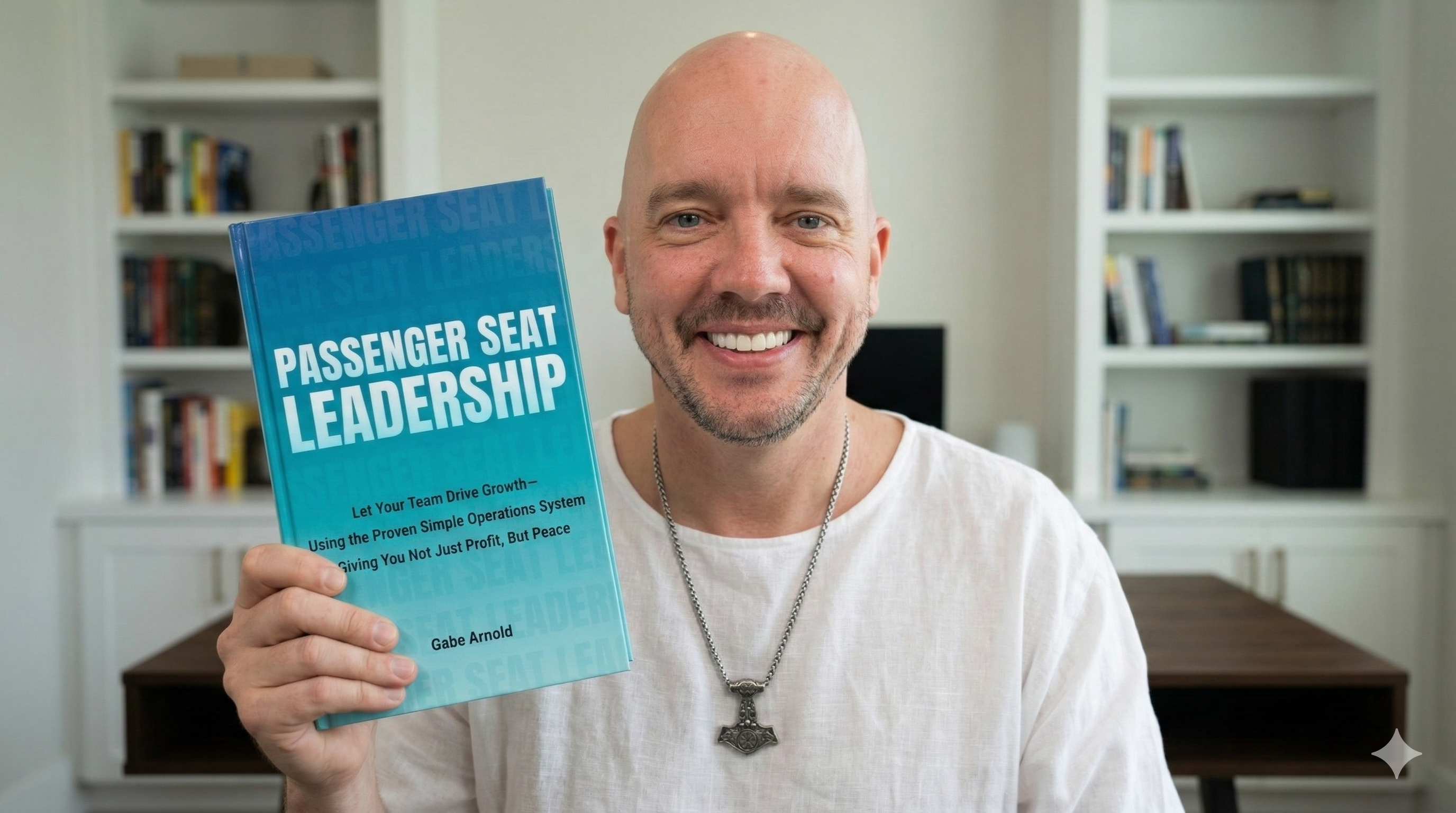
Nate Grossman: Yeah. Yeah. Awesome. All right. So here's what I think everyone should walk away with. The constraint that Gabe is talking about is structural. Structural problems have structural fixes. In other words, and your competence built this business, but system is what lets it run without consuming you. All right. So if What Gabe shared resonated, you can go find him, grab his book. It's called Passenger Seat Leadership, and we're going to drop the link in the show notes. it's going to be at passenger seatleadership.com. he's also on LinkedIn under Gabe Arnold. if you are the bottleneck in your own company, he's a person who gets you out of the driver's seat. All right.
Simone Henry: Hey, and if this conversation made you realize you are not sure where your biggest growth constraint actually is, this is what we dig into every week. Subscribe to the newsletter at thegrowthceiling.com. Each week One real growth constraint and how to spot it in your own business, whether that's operational chaos like we covered today or something else entirely. And if you already know the constraint is real and you want it named out loud, apply for a growth clarity claw call. It is free, 45 minutes, and you leave with your three biggest growth constraints ranked by what each one costs you in revenue. The application is five questions and the link is in the show notes. And don't forget, subscribe to the Growth Ceiling wherever you listen. And if this episode helped you see something differently, send it to one founder who needs to hear it. Go ahead, send it to another one too.
Nate Grossman: Awesome. Gabe, thanks a lot for joining us.
Gabe Arnold: Thank you so much for having me. I really enjoyed it.
Simone Henry: Thanks for being here.

 Apple Podcasts
 Castbox
 Castro
 Goodpods
 Moon FM
 Overcast
 Pocket Casts
 Podbean
 Podcast Addict
 Podcast Republic
 Spotify