Founder Bottleneck: Tasks Without Ownership (Anna Rikka Casas Aborro)
Executive Summary
The founder bottleneck rarely looks like a bottleneck from the inside. The team is in place, the roles are on paper, the project board is full of red, and every decision still lands on the founder's desk. So the founder hires again or buys another tool, and the week gets heavier.
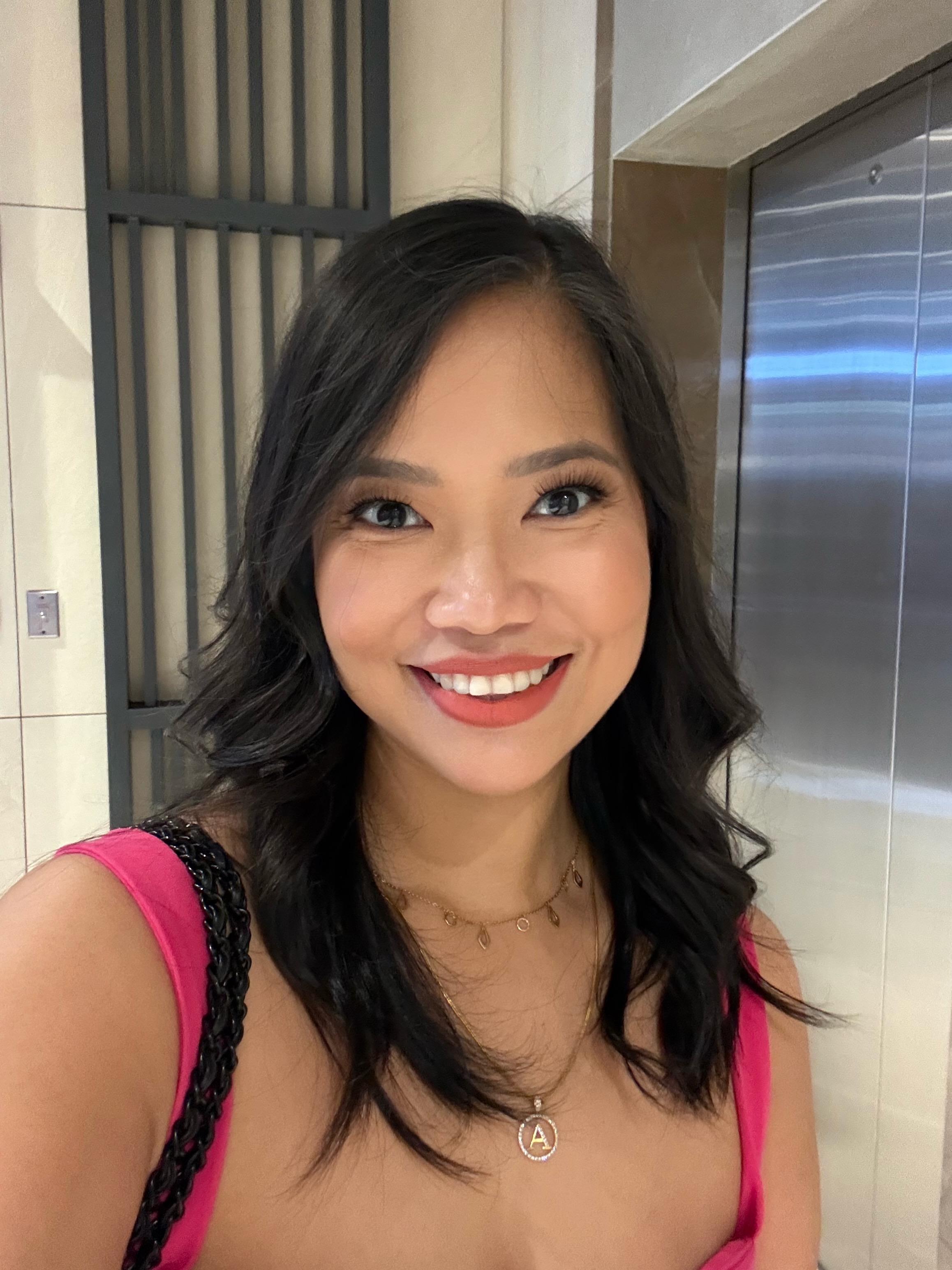
Anna Rikka Casas Aborro runs TAP OBM, where she builds the operations behind coaches, consultants, and online educators. She spent six years as COO of a founder-led training company, ran operations for a healthcare staffing organization with more than 100 people, and coordinated education expos across 23 countries.
Nate and Simone walk her through the order she uses to break founder dependency: a one-week time log that diagnoses the founder first, an audit before any hire or tool, a definition of done for every handoff, and business systems that get documented only after they work. She explains why SOPs land in the last two weeks of her 90-day plans, why automation waits until a task repeats three times, and why removing the founder is not the finish line if the business now depends on one project manager.
This episode is for founders of service-based businesses between $1M and $10M who have a team and still act as its operating system. You leave with a test to run on your own business: two weeks away, and a count of the messages.
If what Anna Rikka shared resonated and you want a business that no longer runs entirely through you, start with her free Messy Operations Scorecard at tapobm.com/messy-operations-scorecard. She works with coaches, consultants, and online educators at tapobm.com to build the operations, ownership, and accountability that let a business grow without depending on the founder.
Which stages of your revenue system still route through you? Take the survey behind The Growth Ceiling Report at thegrowthceiling.com/report. Sixteen questions, about four minutes, and you see your own count of the eight stages the moment you finish.
Subscribe to The Growth Ceiling wherever you listen. And if this episode helped you see something differently, send it to one founder who needs to hear it.
Simone Henry: You built the team, you hired the people, you put roles on paper. And somehow every decision still lands back on your desk. Projects stall the moment you stop checking in. The people you delegated to know their tasks, but not what to do when something doesn't go as planned. So growth doesn't feel like relief. It feels heavier. That's not a hiring problem. That's an operational one. And today we're gonna name exactly what it is. Welcome to the growth ceiling.
Nate Grossman: Yeah, so our guest today has spent her career inside businesses. Most people never see the back end of. She started working online at 18, and she spent six years as COO of a founder-led training company. She's run operations for a healthcare staffing organization with more than 100 people on staff, and she's coordinated education expos across 23 countries, managing contractors on three continents. today she runs TAP OBM, where she works alongside coaches, consultants, and online educators to build the structure, clarity, and accountability that lets a business grow without depending entirely on the founder. Annika, welcome to the show.
Annikka Aborro: Yeah, thank you so much for having me, Nathan and Simone
Nate Grossman: Yeah. So Annika, tell us what is the pattern that you keep seeing when you step into a business for the first time. the it's the thing that tells you within a week where the real problem is.
Annikka Aborro: There are so many problems that I that are very, very common actually. But w
Nate Grossman: Yeah.
Annikka Aborro: one of the most common problems that I always see is overload for the founder. Like, you know, they already have a business model that is working, a revenue, but then the founder or the the CEO still finds himself or herself still doing the admin task. Everything still runs through them. So they become the bottleneck. So instead of growing, instead of scaling, because they are the bottleneck, then it things are being stalled, like the growth is very limited. And it feels heavy. That that's that if we're going to describe the feeling for them, they feel overwhelmed and it feels heavy for them.
Nate Grossman: Yeah. so we talk a lot on this program about the the the three pillars that we talk about are the visibility of a business, making sure that the right people are finding you and that you're showing up where they spend their time. the viability of the business, you know, so the the business can actually stand on its own two legs. It's not so dependent on the founder, you know, it doesn't feel so heavy, as you say. and then of course both of those things together make the business more valuable, but there's other things that go into making it more valuable as well. But basically you're you're creating predictability and that makes that that increases the value of a business. But here I think what we're talking about today is in that viable layer, you know we're talking about internal systems that either support growth or end up buckling. And so Annika, when a business hits a wall, most founders assume that the answer is more, right? They need more leads, more offers, more hires. So let's talk a little bit about why that's usually the wrong diagnosis. So tell us what's the assumption that you hear most often from founders right before they come to you and why it almost it's almost always wrong.
Annikka Aborro: Yeah, because they always feel like if there is like a problem and they are like overwhelmed about like their system and everything in their business, they feel like the first instinct is to hire someone. Hire another executive, hire an assistant, hire a fractional COO, or add a new tool. Maybe this tool will help us, you know, create a smoother system and operations and flow. So that's the first instinct. And I I get that. Like, of course, when you feel like overwhelmed with tasks or projects, you feel like you have to delegate it as soon as possible. But that's where majority of the people get it wrong because you cannot or you should not hire someone new or add another tool if you have a broken system. Because that
Nate Grossman: Yeah.
Annikka Aborro: person, if let's say you hire another person, that person will come in with a broken system. It will just make things worse. And a new tool
Nate Grossman: Yeah.
Annikka Aborro: will definitely not solve that unless you have a clear system in place. And when I say clear system, because people think when system, it means like it has to be complicated, it has to be intricate, but it actually has to be simple. As the the simpler the better, to be honest.
Nate Grossman: Yeah. we were just talking about the I was talking about this with Simone earlier today about concept of the the illusion of explanatory depth. Like you you think that you understand a thing until you really start to try to explain it. And and
Annikka Aborro: Right. Right.
Nate Grossman: you realize, wait a minute, no, what I thought was there and what I thought I understood, maybe not so much. And so
Annikka Aborro: Mm-hmm. Yeah.
Nate Grossman: You know, the systems and processes in a business. You think about that and it's like, okay, yeah, well definitely we need we need systems. But you know, once you start digging in on what does that actually mean, you know, that's that's the key. and that's where the w the real work is, right? So
Annikka Aborro: Right. Yeah.
Nate Grossman: walk us through a business that maybe looked healthy from the outside. They had good revenue, they had a team, but they were actually running on the founder who as the you know be all end all. what were the signs there?
Annikka Aborro: Yeah, the I and I'll give you a very clear and real example that I have experienced. So I've worked with different clients in different companies. And one of the one of the clients that I've worked with just recently is a marketing agency. So the the owner is the face of the business. So she puts herself out there creating content. She she gets traction with with her content, which is amazing. The the problem there is that It's just like on the front end, it look they they look like they are really doing well. We they are financially, yes. However, there's always like when when I went and looked at their system or their flow, there's always something missing, meaning like the follow ups. So they are losing leads, number one, losing leads because they don't have a clear and simple follow up system. And aside from that, Even though they have like a CRM, they're not optimizing it, meaning that they have few workflows, but they don't connect with each other. So that's where the problem is. And the thing is, like, I noticed that even though they're a marketing agency, the there's no clear strategy around their that like the efforts, the marketing efforts that they are doing. So yeah, that's a very clear indication that. Even though, even though on paper you look like you are, you know, successful, like behind the doors, like when you go inside how the operation is being done, what are the people what people are doing, there's always something missing or broken. And majority of that, like the people or the staff don't really know what they own. Like there's no clear ownership, and that is the reason why a lot of things. are broken. So yeah.
Nate Grossman: Yeah, nice. So excuse me. In my experience, founders often think that hiring and delegating tasks kinda will solve this problem, you know. But so it in your experience, why doesn't handling handing someone a task automatically create ownership of the outcome in that case?
Annikka Aborro: Yeah, cause because when you like assign or delegate a task to a person, that is that person can only understand very limitedly. I mean, like once the task is done, they believe that their responsibility is already done. And when you talk about ownership, it's a whole on a whole different level. We are talking about from end to end. Like once you ship a product. Of course, there will be feedback from customers or clients. You are still responsible for that. So that that when we talk about ownership, that means you don't finish or you don't end your responsibility once the products, the product is shipped. There will be loop of feedback, loop of revisions, and yeah, you you still have to be responsible for that.
Nate Grossman: Can you excuse me, can you give us like an example of a business that you've worked with where, you know,
Simone Henry: Ha ha
Nate Grossman: you have had to help
Simone Henry: Ha ha.
Nate Grossman: them through this situation?
Annikka Aborro: Yeah, we when it comes to especially when we are talking about the difference between like a VA and an OBM, because when an OB when you hire an OBM, the first thing that we do in a business, we don't implement new strategy right away. We first audit your system, we audit what you already have and what's broken and why it is broken, right? So we have to document that first, we have to show it to you first. So you you understand why things are not moving, why things no matter what you do, things are still broken. So that's the first thing. And from there, from seeing where the leakage is, that's if you have a clear vision or like clear picture of where things are, why things are broken, that's the time you can come up with an implementation plan or a strategy around it. So you just don't put like a band aid to it, right? So you really he if if there's like a wound that is like bleeding, you just don't put band into it. Like you really try to do your labs, analyze everything, why this is happening, and so that you can heal fully. So if we are going to relate that to human body. So yeah.
Simone Henry: I I like that idea of diagnosing first, like finding out what the problem is. So when you're looking at a business and it's playing out day to day, like what does that actually look like on a regular Tuesday? And like is that kind of some of the things that you would that are symptoms of the problem? Like what does that look like?
Annikka Aborro: Yeah, if if the business has a project management tool, which a lot of businesses don't, but there are some businesses with project management tools already, you see a lot of red. You see a lot of overdue task, you see things are falling behind, no follow up with the clients. So even though for some businesses they're making money, you know, consistent revenue, but still if they have really clear and effective system
Simone Henry: Okay.
Annikka Aborro: him in terms of like following up with leads, then they could have, you know, make more revenue. So that that's like the daily, what the daily like business looks like if there is something broken. And also it's very, very obvious with the founder, because as a founder, you should be focusing on RGAs only. I mean like revenue generating activities. So if that is not your focus, if you're still doing Other things that don't really maybe it solves the system issue or the operational issue, but it doesn't bring you money, then that's actually not that shouldn't be your role, technically. So if if you are a business owner and you are not doing any revenue generating activities on a daily basis, then that's a clear indication that something is wrong.
Nate Grossman: Easy enough. yeah.
Simone Henry: Good to know. Yeah.
Annikka Aborro: Yeah.
Nate Grossman: That's yeah, that goes back to
Simone Henry: So as a founder, the founder should be doing revenue generating activities. I love that. That's a that's a good I think that's a good like one liner for a founder's
Annikka Aborro: Mm.
Simone Henry: job. you know, so to
Annikka Aborro: Right.
Simone Henry: help them know like if they're not, if they're not, if the company is just isn't functioning and just like too much is on their plate. Are you doing reven revenue generating re revenue generating activities on a daily basis?
Annikka Aborro: Mm-hmm, yeah.
Simone Henry: Mm. That's good. Yeah.
Nate Grossman: Annika, do you find yourself do you find yourself having to kind of retrain the people that you're working with to think about the activities that they're doing as revenue generating activities or?
Annikka Aborro: absolutely. So
Nate Grossman: Yeah.
Annikka Aborro: with with our clients, we do what we call the time bank as well. And I got that from one of my very good friends. he is his name is Antonio Thornton, and he is the profit engineer. And what he does is just like Alex Hormozi Alex Hermozy taught this. You as a founder, if you really want to know if you have an effective system, you do a time bank. And when we say time bank, meaning Every 15 minutes you set an alarm on your phone or you know or computer alarm, set every 15 minutes within 24 hours. Do that for one week. So every 15 minutes, you write down what you're doing and be honest about it. And that's if once you have that report, like for a week you do that, you'll understand what you're doing, if you're doing the right thing or if you're doing or if you're focusing on. things that you shouldn't be focusing.
Nate Grossman: that's interesting. So you we're I think we're we've kind of started to touch on the the framework or your approach here. And you had already said that one of the first things that you do with businesses is you start with figuring out what what is the problem, right? Diagnosing it. And I'm assuming that. the activity that you just mentioned there, with setting a fifteen minute timer and and asking them to write down what they're working on at that moment when that fifteen time fifteen minute timer goes off is part of that diagnosis. Is that would you say, okay. Yeah.
Annikka Aborro: Absolutely. Yeah, because because you don't you don't only diagnose the business, you also diagnose the people running the business. And that is very important. Cause for me, even even for me, when I started my my own agency, you know, in the first two years, I was just doing admin tasks. So I wasn't bringing a lot of money in at that time. And when I tried to analyze what I was doing, I was doing things that don't really matter to the business itself. So yeah, I was I wasted a lot of time basically after doing that exercise.
Nate Grossman: Yeah. Interesting.
Annikka Aborro: Yeah.
Nate Grossman: that that I th I feel like that could be its own story about the your your path to where you are now, I guess. But
Annikka Aborro: Yeah.
Nate Grossman: I'm I'm assuming that this what what the framework that you use and your approach then it comes out of your learned experience, your trials and errors. Is that would that is that an accurate assessment?
Annikka Aborro: absolutely. Yes.
Nate Grossman: Okay.
Annikka Aborro: And also because of what I see in other people's businesses, because that's my expertise, like
Nate Grossman: Yeah.
Annikka Aborro: making sure that their their operations run smoothly. And I see the problems and why they're they're having like recurring issues or recurring challenges. And yeah, definitely all the frameworks that I'm using. aside from of course learning from the experts, like, you know, I I really love Alex Hormozi it's majority of it. Are based on like experience.
Nate Grossman: Gotcha. And I guess that's probably, you know, one of the the best places to start from, you know, like I've
Annikka Aborro: Right.
Nate Grossman: I've been through this. I I've made these mistakes. here's what you do so you don't make the same mistakes, you know. I guess.
Annikka Aborro: Yeah.
Nate Grossman: people people will definitely pay you money for that. okay. So we've talked about where you start and the fact that you're interested in diagnosing before you start getting into the the deeper stuff maybe. And the real quick, just for our audience out there, because you had mentioned it earlier, can you define what OBM is for us?
Annikka Aborro: yeah, of course. OBM stands for online business management or online business managers. So it it's actually it's not a new term, but not a lot of people know about it. And because people or bus business owners in the in this niche or in this online space, they know about virtual assistants, right? But
Nate Grossman: Mm-hmm.
Annikka Aborro: there there is what we call the OBMs, and OBMs are not VAs. And when I say not VAs, because VAs, these are the task doers. So you give them specific tasks, they complete it, that's their role, right? But when when we talk about OBMs, these are the strategic partners. So they strategize with the the business owner or the client, the company. Yeah.
Nate Grossman: Interesting. Okay. hm. So how how how would an OBM and I we're getting off of off of the the outline here, but just for further clarification, how does an OBM compare to let's say a fractional executives like C level?
Annikka Aborro: Yeah, that that's a very good question. So there's a lot of overlap actually. So when you say especially with a fractional COO, because most OBMs, we are in charge with operations, right? Operations, systems, launch management, and marketing. So those are the four pillars that we work on. And yeah, so it really depends on how big the company is. And majority of the companies that are Past the startup, medium-sized businesses, these are the people needing like OBMs. So OBMs normally it again it depends on the company, but we we do manage the business alongside with the VAs or other contractors. So yeah, so that's what we do and The ownership in terms of like what do OBMs own, it's definitely the oper daily operations basically and the strategy. So making sure that the projects that are currently active or the next project that we are doing, making sure that those are aligned with the goals of the company and guardrails as well. So we I I myself have a lot of like clash with with the clients that I work with because you know a visionary visionaries like they have a lot of ideas that they want to do right now, but not everything
Nate Grossman: Yeah.
Annikka Aborro: not everything should be done right now. You know what I mean? So yeah.
Nate Grossman: Yeah.
Annikka Aborro: Yeah.
Nate Grossman: So an OBM, would it be accurate to say that in that case they're working across operational assessment, right? workflow design, role clarity, delegation, developing SOPs and capacity planning. Does that sound accurate? Yeah. I
Annikka Aborro: Absolutely, yes.
Nate Grossman: mean that's that's quite a bit of quite a broad section.
Annikka Aborro: Right.
Nate Grossman: of the company for sure.
Annikka Aborro: For sure. Yeah.
Nate Grossman: so it how d how do those pieces fit together? You know, where do you usually start when you're working with a with a company?
Annikka Aborro: Yeah, definitely we always start with a paid diagnostic. So yeah, diagnosing the company, what the problems are, and we tweak the role depending on the company needs. I myself, my expertise is in operations, daily operations and strategy. other OBMs, they they really specialize on launch management. So it really depends on where the company is and where the company wants to go. So but those are like the pillars, the four pillars that I mentioned earlier, those are like the focus of majority of the OBMs.
Nate Grossman: Okay. g once you've made that diagnosis, are you what what are you jumping into usually after that? J it just depends on the circumstance then, is that you're saying? Or catch it.
Annikka Aborro: Yeah, so after the diagnosis, so we present it to the the client or the company, right? And then we what we do there is we don't end with the diagnosis, we create a 90 day implementation plan. So the KPIs, all the metrics should be very clear in those 90 days. And again, depending on the the need, the immediate needs of the business. So we create an implementation plan and then after the 90th day, Then then that's the time we create the like retainer kind of plan, meaning making sure that things are moving smoothly. And if there's any other launches or any other strategies that we can implement, that's when we do that after the 90th day. But during the first 90 days, it has to be very clear when it comes to like the goals and the KPIs, because and I wanna mention the and I wanna emphasize the very clear KPIs because scope creep is also common in in this type of field. So yeah, we really have to be it has to be measurable, that's what I'm saying.
Nate Grossman: Yeah. So that's where the the strategy component comes in, right? Because
Annikka Aborro: Correct.
Nate Grossman: once you've once you've dialed in on the strategy, you maybe are you are you help do you find yourself helping businesses to figure out what that strategy is and then kind of okay, this is what we need to do in that 90 days in order for us to achieve the the immediate goals, right? Or okay,
Annikka Aborro: Absolutely, absolutely.
Nate Grossman: okay, so and but do you also find in some cases that They already have a strategy and you're kind of adapting to that or
Annikka Aborro: Yeah, yeah, yeah. majority of them already have goals, definitely goals, and but majority of them don't know what the correct strategy is, right? So maybe they have strategy in mind, but we just have to make sure that it's aligned with the goals or if it's the the right strategy with the resources that they have. So yeah, and and also recently, because of AI, we also me at my myself. We also implement or install like AI employees. A lot of companies really want like agents, AI employees now. So that that as well is a part of the operation side, not only the humans, not only the systems, but also technology, which is AI.
Nate Grossman: Okay. so let's let's put this into like practical terms. Let's say, you know, kind of a a a hypothetical situation here. let's say that you know, a listener out there, they have a business, they're doing two to three million in revenue, they have a team of twelve. what what would change in that first ninety days for them?
Annikka Aborro: Yeah, definitely because the real or majority, majority of the clients that seek help, it's because of overwhelm, because the everything still runs through them. Founder dependency. That's the what I I really solve with my clients. So that's the first thing that we really try to not really try, but we strategize on how we can remove dependency from the founder. But I also want to emphasize that it's this is not like magic. Cause a lot of people think that, once you have this plan, everything will change. Everything will just like, you know, it's a magic. But no, it isn't. It's a process, basically. But definitely the goal really is to give like a breather for the founder to be able to breathe and be able to delegate. to remove the ownership from them and to delegate it to their their people, to the VA or to the OBM. So that that's the common goal when it comes to like OBM services.
Nate Grossman: That's that's the primary goal in the first ninety days. Yeah. All right.
Annikka Aborro: Right, right, yes. Mm-hmm. Now if you ask like what does that look like? It it really depends on the company, but definitely if you have clear system and it and clear ownership, that can be done within ninety days. Again, it's a process. Not everything will be like, you know, green. Th there could be like y yellow or red still, but yeah.
Nate Grossman: Mm. So in in the businesses where that maybe they don't have proper strategy, maybe they don't have proper ownership set up, you know, like maybe the maybe they don't have clear job descriptions and and like which which includes, you know, what does it look like when the job is done, you know, and that
Annikka Aborro: Mm.
Nate Grossman: kind of thing. Is that the type of stuff that you're working on?
Annikka Aborro: absolutely, because that's
Nate Grossman: Yeah. Okay.
Annikka Aborro: one of the issues or the the challenges or the reasons, I should say. One of the reasons why things break, because there is no definition of done. There's no like what done looks like. And majority if you know, majority of the founders, when they want something, they just give the task to the people, right? But the clear picture of what done looks like is missing. And of course, we as humans, we can interpret things differently. So what done means to me, maybe it should be color red. What done means to you, maybe colour green. So there is like a miscommunication around that. So if you are clear in giving, like not only with it comes to SOPs, but more on how you transfer the knowledge or the information that's in your head as a founder, how you transfer that to your people. That's also part of the framework that we do with clients. So and and and it's actually perfect because your podcast, it's growth ceiling, right? And a lot of businesses become stuck with that. I know it's it sounds easy, but a lot of people
Nate Grossman: Yeah. Right, yeah.
Annikka Aborro: can companies still make that mistake. So yeah.
Nate Grossman: That's what I that's what I was talking about earlier about the illusion of explanatory depth, right? I think a lot
Annikka Aborro: Mm.
Nate Grossman: of founders say, you know, go go and do this and they expect maybe that the person that they're telling this to that understands it thoroughly enough to actually do it, you know, without having to tell them. I think that's part of the problem here. But yeah
Annikka Aborro: Right. Exac and and you know what, they because that is still my problem. I personally is still having challenges. I mean, like, you know, it and I have to
Nate Grossman: Yeah, yeah, yeah, yeah.
Annikka Aborro: remind myself, every time I'm delegating something, is this complete? You know what I mean? So
Nate Grossman: Mm-hmm.
Annikka Aborro: yeah, it's it's yeah, common.
Simone Henry: Yeah.
Nate Grossman: Yeah, it's it's it's hard sometimes to put yourself in the other person's, you know, f seat and think about it from their perspective. Okay, am I giving them all the information that they need in order to complete this? How do I know that? Because I already know how to do it. I know what it takes, you know, but putting yourself into someone else's that's that's that's that is tricky. That's a lot of effort right there. Try just trying to figure
Annikka Aborro: Right. Exactly. Yeah. And people
Simone Henry: It can be hard, yeah.
Annikka Aborro: learn differently. Some are visual learners, some are you know, like so you ha also have to consider that. So
Nate Grossman: Yeah, yeah, yeah. Yeah. And yeah, I think it takes a lot of imagination. And if you're if you're not big on the imagination thing, you know, like well
Annikka Aborro: Ha ha ha.
Nate Grossman: and you know, if you're a busy executive who just wants the thing done, I can understand, you know, hey, go do this. And they they wanna hire people, they want people
Annikka Aborro: Right.
Nate Grossman: who are just gonna be able to do it. And so yeah, but it's a heck of a lot easier, you know, for that busy executive to do that if you've already got this these SOPs and everything set up, right? Like it's a a magical shift, I would imagine. All right. Yeah.
Annikka Aborro: Absolutely. That's why when it comes to like people management as well, what we do, and I highly suggest every company that do this is that do a behavioral matrix with with the current employees that you have or workers or team members, basically. So I think yeah, knowing the personality of the people that you work with and also how they learn is very important. So that you can also you have to really tweak and adjust how you deal with these people and and that's
Nate Grossman: Mm.
Annikka Aborro: that's important too.
Nate Grossman: yeah, yeah.
Simone Henry: That is smart because like everybody, yeah, like everybody's not the same. We're not all gonna learn the same and and absorb things the exact same way. and yeah, it it makes sense to to keep that in mind. So
Annikka Aborro: Absolutely.
Simone Henry: we're talking about like, you know, how how you're working with your people, but where does automation and system s infrastructure where does that come into it? and what's and Can it get in the way if it's built in too early in your in your system?
Annikka Aborro: Absolutely. Absolutely. Especially if your team members are non-techy. So if you build it like early or my gosh. And
Nate Grossman: Yeah. Yeah.
Annikka Aborro: when something of course something will break. And that's just the reality of things. You know, it's technology. There's always something that breaks. And yeah, you you
Nate Grossman: Yeah. Yeah.
Simone Henry: Say technology is great when it works.
Nate Grossman: It right, right.
Annikka Aborro: Right.
Nate Grossman: And it works fifty percent of the time. Yeah.
Simone Henry: Yeah.
Annikka Aborro: right. So when it comes to like automations, we have a rule that if if a thing or if let's say a task is being done at least like three times, I mean like you do it recurring at least three times, then that's the time you put an automation to it. But yeah, if you just do it once, I mean like one off, no, did you just do it manually, right? Now, when it comes to like AI, because because a lot of companies now are really seeking AI employees. And I was actually looking at a a gra a report yesterday. even though companies are looking at installing AI employees now, majority of the people, 98% of the people still don't use AI at all. Or and and 7% no out 98 Don't use AI and out of 2%, like 7% out of 2%, use like free version of ChatGPT or Claude. So what I'm saying is that even though like you as a business owner, of course, you want to be ahead of like the technology, you want to really be on top of everything, but you have to assess like is like are your people equipped to manage AI employees. So yeah, you you have to assess where you are in terms of like resources and manpower as well.
Nate Grossman: Yeah. There's a whole AI we we had a guest on a couple of weeks ago that was they specialize in his company specializes in doing just that. But
Annikka Aborro: Hmm.
Nate Grossman: one of the things that he said was, you know, so often, you know, business owners will be because it sounds great, you know, you're going to save money. we're gonna offload all these tasks onto these, you know, the robots, right? Let let let the robots do it. They'll never complain. They don't take vacations. Sounds great, you know. But but the again going back to the the the illusion of explanatory depth, okay, that sounds great, you know, but do you really understand what that's gonna take? You know, like to actually implement this and to implement it well is not the easiest thing to do. Especially like when you think about issues with you know proprietary information, data leakage,
Annikka Aborro: Hm.
Nate Grossman: you know s cybersecurity, and there's a whole slew of new problems that you introduce potentially
Annikka Aborro: Right.
Nate Grossman: here. And every day people the nefarious types are out there thinking of clever ways to you know use your AI against you, you know, and so yeah anyways and the famous case in point with companies like Ford Motor Company, actually. I just
Annikka Aborro: Mm-hmm.
Nate Grossman: was reading about this a few a little a little little while ago here, within the last couple of months. They the the headline said something along the lines of you know Ford is having to hire back the teams of
Annikka Aborro: The people, right.
Nate Grossman: quality assurance engineers that they let go because they thought that they could implement AI and do the same thing, which is not
Annikka Aborro: Right.
Nate Grossman: the case at all. So yeah. I think like knowing having the expertise to n that to know when and where to use it is is crucial. and how to use it. So
Annikka Aborro: Absolutely.
Simone Henry: Yeah.
Nate Grossman: that's a thing. and I'm assuming then that you are looking at AI or thinking of AI usage as part Part of that the automation factor there or Yeah. Yeah.
Annikka Aborro: Yeah, one thousand percent. Yes, one thousand percent. yeah, it like there is also what we call the AI fatigue, like what you said, right?
Nate Grossman: Yeah. Yeah.
Annikka Aborro: yeah, because I myself, like I I installed AI employees in my own agency and it took me like I thought it was gonna be easy, like I just set it up a day. It th they said two days. So I spent two days setting
Nate Grossman: Right, right.
Annikka Aborro: it up. And like in reality I spent three weeks and I Every single day I'm you know, there's always an update. So I'm like, my gosh. So yeah. So
Nate Grossman: Yeah.
Simone Henry: I never I haven't
Nate Grossman: Yep.
Simone Henry: really really paid much attention to that, but that's so true. because it it's new, it's moving so fast, and you know, and you're trying to depend on it for your business. And one of the things that it's it's hard to kind of to really settle into an AI tool or a skill or a prompt or anything like that is because it's moving so fast. As soon as you're done setting it up. And you know, you're thinking, okay, great, it's working, set it and forget it. No, something new comes out, or it's changing, or the thing that you are
Nate Grossman: Yeah.
Simone Henry: now you've been working on, it's been improved. So the version that you installed is now deprecated and you need to to move
Nate Grossman: Right.
Simone Henry: up. And the new one works a little bit different, you know. So yeah, there's there's so much movement
Nate Grossman: Yeah. Or or it's what
Simone Henry: in it.
Nate Grossman: Or the feature that you were using is now for you have to upgrade to a higher higher paid version, that that kind of thing. okay.
Simone Henry: Mm yeah. Or it it's not available on your version anymore.
Annikka Aborro: Right. Right.
Nate Grossman: man. Yeah.
Simone Henry: Mm.
Nate Grossman: okay, so Annika, where does your work end and the next layer of growth begin? So in other words, in order for what you the work that you're doing. to actually have a a good impact or any impact really on the business. What in your opinion, what else already needs to be true in in the business for it to actually stick? Thinking think
Annikka Aborro: Yeah, if
Nate Grossman: about the business at at you know, as a whole, right? As a system. So
Annikka Aborro: Right, right, yeah. So definitely the the number one si sa well, number one sign that the business is already in its like okay state is when it's not depending on anyone anymore. So that means it's not depending on the founder, it's not depending on the VA or not depending on any of the workers, meaning it runs itself on its own. And when I say run on its own, it doesn't mean like automated, right? No, it doesn't mean like that. It only means that, okay, when someone leaves, the replacement will be able to take on that specific project or specific task smoothly. So if you are already in that state, then it means that okay, your systems are working. But if if it still depends on like let's say not on the founder anymore, but on the VA. So if that let's say your project manager, for example. project manager takes on leave, then again, same problem, the business stalls, then you you just transfer the problem from the founder to another person. So
Nate Grossman: Mm.
Annikka Aborro: yeah, it has to not depend on any human being, if that makes sense. Yeah.
Nate Grossman: Okay. Do you feel that, you know, for example, it's all it's so it's all well and good for a business to want to work on their their standard operating procedures, making sure that their operations are working well. But if they don't have, for example, a good marketing engine, you know,
Annikka Aborro: Mm-hmm.
Nate Grossman: what what good is it going to do them, right? Or let
Annikka Aborro: Right, yeah.
Nate Grossman: or let's say if they don't have a good sales process, right? You know, what it's not really gonna do them much good because they're not really bringing in sales. They're you know, like they kind of so it seems like all of this, you know, it's not you can't really take one component out of the rest of you know, out of context necessarily. It's all kind of like related to everything else, in other words. yeah.
Annikka Aborro: Absolutely. And and since you already mentioned about SOPs, people think or majority of the business that I work with, they think that the first solution, aside from hiring or having a new tool, is to create SOPs. But actually, that's one of the last things. last maybe on the 90-day implementation plan, we do it on the last two weeks of the 90 days.
Nate Grossman: Mm.
Annikka Aborro: So 'Cause that doesn't SOP is
Nate Grossman: Yeah.
Annikka Aborro: just a document, you know, like it doesn't mean anything if it's not working. So yeah.
Nate Grossman: Yeah, you you have to actually see it working and then Yeah. Yeah, you have to actually put it
Simone Henry: That makes so much sense. Yeah. You don't wanna create an SOP or
Annikka Aborro: Hm.
Simone Henry: a broken system.
Nate Grossman: Yeah.
Annikka Aborro: Right.
Nate Grossman: Yeah. Yeah. I think that this is the way that this should be done. and then you have to test it out, right? And see what what if anything breaks in the meantime, and then kind of incorporate that into you know, the final product, I guess, in that case. Okay.
Annikka Aborro: Absolutely, yeah. And and it's evolving too, you know, SOPs are
Nate Grossman: Yeah.
Annikka Aborro: always evolving, so yeah.
Nate Grossman: Yeah, they're it's a living living document, right? It's not set in
Annikka Aborro: Correct.
Nate Grossman: stone. Yeah.
Annikka Aborro: Correct.
Nate Grossman: Okay. very good. do you well before we move on, do you have do you re have a recommended you know evaluation or reevaluation of SOPs that businesses f should follow? You th do you recommend
Annikka Aborro: Yeah.
Nate Grossman: okay.
Annikka Aborro: Well, there is like a you know a framework that we use in order to or how you can create like an effective SOP. and that has to be evaluated at least like every quarter. And yeah, I re I highly recommend like the cadence of reevaluating it is it at least every quarter. Because again, technology is evolving, like systems are evolving. And yeah, like what you mentioned earlier, it's it should be a living document. So it has to have a even like creating SOPs, it has to have a clear ownership on who needs to be doing that, who needs to be rechecking or re-evaluating if the SOP is still like applicable on that specific,
Nate Grossman: Mm-hmm.
Annikka Aborro: you know, time frame. So yeah.
Nate Grossman: And I would imagine, depending on the size of the organization, it may break down along the lines of departments. But
Annikka Aborro: Correct.
Nate Grossman: in a in a smaller business that may not have may not be siloed, may not have departments necessarily, there should probably be one person there who owns that and calls the meeting, I guess, right?
Annikka Aborro: Absolutely, yeah.
Nate Grossman: Yeah. I'm sh I'm sure there's a whole whole realm of operations just around that, I imagine. Because, like for example, How does this person get their like what's working for them? You know, is is the operation, is the procedure that we created for this individual is it working? Is it not? How do they get that information over here to this person who is then going to you know relay the information to everybody, etc.? So yeah, that I can see could be its own thing. Yeah, yeah.
Annikka Aborro: It's own department, yes.
Nate Grossman: very good. So let's get into the multiplier effect. When This is working in a business. What we're going to talk about what changes beyond the org chart. So when a business gets its operational foundation right, what starts working that the founder didn't expect? Is there is there a ripple effect?
Annikka Aborro: absolutely. yeah. And that you can you as a founder will clearly see that. the ripple effect that we are discussing or we're talking about. And even even like the people if if like you're talking about the organizational chart, right? Even like the people on like the you know, the staff members, not the C suite level, they they can still they can also feel that effect. Like things are moving, approval, the approval time, especially time, they I think The most obvious evidence is when it comes to like time approval time, how you do the business, the leakage of it. So yeah, definitely.
Nate Grossman: Nice. what can you go into a little bit more about what do you mean by leakage?
Annikka Aborro: Yeah, well when we say leakage, like for example, you have a production of let's say your Apple a new device, but yeah, a phone, for example, a mobile phone, right? So there is a production time from and from like ideation to product shipment, right? So that that the entire production timeline, when I say like leakage, that means when you do the loop, loop of like Testing it out, feedback, revisions. So you have to check like, are we in an optimum system? And when I mean by optimum system is that is are are all the steps in the production, are they really necessary for it? Because a lot of times things just like keep on looping again and again when you can just like remove some parts of it. And that's a leakage. And when I say leakage, it of course it's not like literal leakage. It means like you
Nate Grossman: Yeah, yeah.
Annikka Aborro: are you are losing money because you are spending more time on unnecessary things.
Nate Grossman: Yeah. Time or money, leakage
Annikka Aborro: Yes,
Simone Henry: Mm.
Nate Grossman: Yeah. Okay. Very good. and so I'm assuming then once you've helped them figure out where that is, that definitely triggers a lot of improvements, let's say.
Annikka Aborro: That is true.
Nate Grossman: Yeah. I would imagine that one of the benefits in that case would be improve bottom line for the company, you know.
Annikka Aborro: Mm-hmm.
Nate Grossman: Because there's less waste involved in that case.
Annikka Aborro: Correct. Correct.
Nate Grossman: Yeah. Okay. so let's talk about the founder. You know, what what what does the founder experience? You know, how about in their in their calendar, for example, their time, their and their ability to step away, you know, maybe maybe they want to take a vacation for once, you know. Is that is that really possible? Okay.
Annikka Aborro: Yeah. And and I I tested that in my own business. So I actually just came back from a vac two week vacation in Dubai. I came back last week. And and I tested
Nate Grossman: Nice.
Annikka Aborro: it at how independent my agency now because I cannot like be teaching it without like doing it, right? And
Nate Grossman: Yeah.
Annikka Aborro: and and it took a l it took a lot
Simone Henry: Smart.
Nate Grossman: Yeah.
Annikka Aborro: of it took a lot of effort to be honest with you. So it's it's not an easy
Nate Grossman: Yeah.
Annikka Aborro: Easy thing to do for me as well because I'm I'm a very hands-on owner, I mean founder, and but I had to I had to really ensure or really test the ownership of my team members, and I'm very happy that they only within two weeks they only reached out to me twice. So
Simone Henry: Okay.
Nate Grossman: Wow.
Annikka Aborro: yes, yes, and because because we had meet, we had like meeting, I needed to meet with them virtually. But I I was very
Nate Grossman: Okay.
Annikka Aborro: happy that they were able to like do the marketing and you know, we we really made sure that the systems were in place and they know exactly what their roles are. So they they can decide on behalf of me. So yeah, I think that's the most important.
Nate Grossman: So so during that two weeks that the the entire operation didn't just shut down and then they just you know emailed you a couple of times to make you think they're doing something, but yeah.
Annikka Aborro: I should check their time sheets actually. Yeah.
Nate Grossman: Okay.
Simone Henry: Yeah.
Nate Grossman: All right, so so when this is working, obviously, then that that frees up time for the the founder, the owner. they can, you know, go they can step away, they can take a vacation, the wheels don't fall off, everything still continues to run smoothly, they can feel good about taking a break. Yeah. So that's good stuff.
Annikka Aborro: And also because of that, that actually gave ownership to the people that made them feel more empowered within the business. And I think that's very
Nate Grossman: Yeah.
Annikka Aborro: important because a lot of founders, of course, they treat their, especially the mid-sized companies, the startup and mid-sized companies, they tr they still treat their business as their babies, meaning that they're always
Nate Grossman: Yeah.
Annikka Aborro: like hands-on on everything. And that actually, instead of it, adding to the growth of the company it actually creates friction and also it doesn't empower your people. So yeah,
Nate Grossman: Yeah.
Annikka Aborro: leaving for two weeks I think it it really helped.
Nate Grossman: Yeah. Good good test. I th
Simone Henry: Yeah, that is a good test.
Nate Grossman: isn't that you you you talk about that somehow sometimes. Is that Michalowicz Clockwork? Yeah.
Simone Henry: Clockwork. Yeah. Clockwork by Mike Michalowicz He I think it was at the very beginning of the book he talked about like challenging yourself. He said, you know, at a year or eighteen months from now, plan a vacation and then don't just plan it, but book it. And then between now and then, get your get your business to a point where you can leave for a month. and have your phone off, not checking your email, and be be confident that your business is not falling apart without you on this month long vacation.
Nate Grossman: Yeah. That's the That's the
Annikka Aborro: I don't know if I can go for a month. For me that's two months.
Simone Henry: Right? And then and shut off your phone completely. Yeah. And know, and he said, like the first time he did it, there there were some
Nate Grossman: That's a real test. Yeah, yeah, yeah. Yeah. man, talk about an anxiety inducing. Yeah.
Annikka Aborro: Right.
Simone Henry: problems, there were some things, but then you correct that and then you do the test again. Go away for another month. And then
Annikka Aborro: Right. Yeah.
Nate Grossman: Yeah. Yeah.
Simone Henry: also not just not just you, but also members of your team. Make sure that everybody has has a backup. And
Annikka Aborro: Mm-hmm.
Simone Henry: so everybody can have have a vacation. Not and not worry about their job being gone, but also not worry that and you're not worried that when they leave their their job isn't being done and it's, you know, and things are being backed up. So, you know, it's not just you as the founder, but it's also your your team members.
Annikka Aborro: Absolutely. Yes. And I really like what you said, Simone, the backup or the person who will take over that role temporarily just to
Simone Henry: Mm-hmm.
Annikka Aborro: to ensure that things are moving smoothly. So yeah, that's important
Simone Henry: Yeah.
Annikka Aborro: too.
Nate Grossman: Like that. That's quite a the carrot and the stick there, right? You know, like
Annikka Aborro: Mm.
Simone Henry: It's just
Nate Grossman: that's that's the reward dangling out there for you, you know, if you get this accomplished. I like that. So you kind of commit yourself to that vacation. Book all those tickets that are non refundable. So I love that.
Simone Henry: Right, right. Non You're you're not getting out of this. So you gotta go.
Annikka Aborro: Ha ha Yeah.
Nate Grossman: I got I got a lot of money on the line. We're gonna do this and it's gonna get done. All right, let's go.
Simone Henry: Yeah.
Nate Grossman: I like that. All
Annikka Aborro: Hmm.
Nate Grossman: right. So okay, so thinking of the value of a business, what's the connection here between, you know, when we get this right and what the the the actual value of the business, what it's actually worth beyond just having smoother days and the ability to take a vacation, for example. Any any thoughts on that?
Annikka Aborro: Yeah, absolutely. Well, once you take vacations, that's like you you cannot really put a number to it once you ha have that relief, right? So that that's
Nate Grossman: Yeah. Yeah.
Annikka Aborro: the the highest value that you can get. But what we are talking about like value in terms of like monetary, financial revenue, it will skyrocket. Why? Because you as a founder, now you can focus on really doing the like what we talked about earlier, the RGAs, the revenue generating activities. If you're really focused on, you know, sales calls, closing sales, talking to prospective clients, then more business for you, for the company, and everybody will be happy. So yeah, I I I really hope that you know more and more business owners really think about that.
Nate Grossman: Yep. That's that's for businesses that want to grow and are on that upward trajectory. So, you know, some businesses don't
Annikka Aborro: Right.
Nate Grossman: want to necessarily, which is okay, but you know, f for those that do,
Annikka Aborro: Yeah. Yeah.
Nate Grossman: you know, this is the way to do it. So yeah.
Simone Henry: Mm.
Annikka Aborro: Exactly. You know, I was actually in in a podcast a month ago and
Nate Grossman: Mm.
Annikka Aborro: I I was asked that. So and she said, like, how about for those businesses that don't want to scale? And I'm like, Yeah, it's
Nate Grossman: Well.
Annikka Aborro: it's also it it it applies too. Yeah.
Nate Grossman: Yeah. I mean even
Simone Henry: And it's true. Like even
Nate Grossman: even for the business owners that don't
Simone Henry: if you don't wanna scale,
Nate Grossman: want
Simone Henry: you still might want some vacation. You still wanna spend
Annikka Aborro: Mm-hmm.
Simone Henry: some time with your family. You don't wanna be working all the time.
Nate Grossman: Yeah. And you might
Annikka Aborro: Right, right. Yeah.
Nate Grossman: want to even if you don't want to scale necessarily, you might want to sell it, right? Which the the
Simone Henry: Mm-hmm. At some point, yeah.
Annikka Aborro: Mm-hmm.
Nate Grossman: transferability the transferability
Annikka Aborro: Yes.
Nate Grossman: of the business is dramatically increased, I would think, because
Annikka Aborro: Absolutely.
Nate Grossman: all of this stuff is documented. You could just hand it over, right? Which
Annikka Aborro: Correct.
Nate Grossman: that is a much more valuable business. Yeah. all right.
Annikka Aborro: That's true. Yeah.
Simone Henry: Yeah. Take yourself out, slap someone else in, everything keeps running smoothly.
Annikka Aborro: Mm-hmm.
Nate Grossman: Yeah, yeah. Perfect. All right. Let's get into the rapid clarity round
Simone Henry: Right, so I've got four questions. Give me quick answers. Okay, ready? Okay.
Annikka Aborro: Okay, I'll try.
Simone Henry: what's one question every founder should ask about how their business runs this month?
Annikka Aborro: They they ask a dashboard. They always want to have a dashboard to see like a in a 30,000 foot overview how their business is doing, the health of their business. So we OBMs, we that's one of the first few things that we create, definitely.
Simone Henry: If a founder has ever invested in operations, what's the single first step?
Annikka Aborro: Audit, do a diagnostic of how your business is actually running at the present time, like currently, and just be honest about it. Sometimes like I I I've I've experienced having clients who actually don't we're not very transparent with with their numbers. And I'm like, no,
Nate Grossman: Yeah, yeah.
Annikka Aborro: that's not gonna work. So yeah.
Nate Grossman: Yeah.
Simone Henry: Right. If you don't have a real the real diagnosis, you can't find a real solution, can you?
Annikka Aborro: Exactly.
Simone Henry: what's a decision
Nate Grossman: Mm-hmm.
Simone Henry: that should never sit only with the founder, but almost always does?
Annikka Aborro: next strategy, next launch, yeah.
Simone Henry: Okay. And what is the fastest way to tell if a hire actually has ownership or just a task list?
Annikka Aborro: if they take accountability on the entire process of that project.
Simone Henry: I've I've
Nate Grossman: Okay.
Simone Henry: worked for companies where they would they didn't like me to take to take ownership of what I was working on. They, you know, it was just, you know, just keep your head down, do the work, don't don't think about anything else, what this is affecting, what's coming to you from you know, where you are in the in the that was yeah, that was bad management, wasn't it? Because if a if a team member wants to take
Nate Grossman: Yeah. Yeah.
Simone Henry: ownership of of the job, what they're doing, that's a good thing. That's not a bad thing.
Annikka Aborro: And and you know, Simone, I actually see that a lot in big companies, in like big corporations. Yeah.
Simone Henry: Yeah.
Nate Grossman: Hmm. Hmm. Interesting. Okay. well we're gonna we're gonna close it out here. So what what Annika's just laid out for our listeners is maybe that piece that a lot of conversations around growth kind of skip over. You know, you can fix your marketing and your offer, and you can still hit a wall if the business can't run without you, right? In the middle of everything. And that's the the via bi the excuse me, the viable layer that we talk about. And oftentimes, as we've seen here a lot recently on the podcast, that's the the real constraint hiding behind what looks like a marketing problem sometimes, you know. Everybody thinks, I gotta I gotta do better marketing, but in reality, even if they did better marketing, they don't have the systems to back it up. So that's the problem. All right. Very good, very good.
Simone Henry: So if what Annika shared resonated, here's how to connect with her. She runs TAP OBM, working with coaches, consultants, and online educators who are ready to build a business that doesn't run entirely through them. She's also put together a free self-audit called the Messy Operations Scorecard, built for business owners who already have clients, a team, and tools, but everything still runs through them. You'll find it at we'll put the link in the it's a long URL, tapobm.com, but it's at tapobm.com.
Annikka Aborro: Mm-hmm.
Simone Henry: That's the operation scorecard, and we'll put that link in the show notes. And you can find Annika at tapobm.com and on LinkedIn. And one more thing: we are running original research where growth stalls in service businesses. 16 questions, about four minutes. And the moment you finish, you'll see how many of the eight stages of your revenue system run without you. And that's at thegrowthceiling.com/report. And finally, subscribe and share. Subscribe to The Growth Ceiling Podcast wherever you listen, wherever you listen. And if this episode helped you see something differently. Send it to a founder who needs to hear it. Heck, send it to two. We'd be grateful. And thank you so much for listening.
Nate Grossman: Yeah. All right. Thanks, Annikka. Appreciate it. Good good talking.
Simone Henry: Thank you, Annika, for being here
Annikka Aborro: Thank you so
Simone Henry: with us today.
Annikka Aborro: much. Thank you for having me. Thank you so much.
Nate Grossman: Absolutely.

 Apple Podcasts
 Castbox
 Castro
 Goodpods
 Moon FM
 Overcast
 Pocket Casts
 Podbean
 Podcast Addict
 Podcast Republic
 Spotify